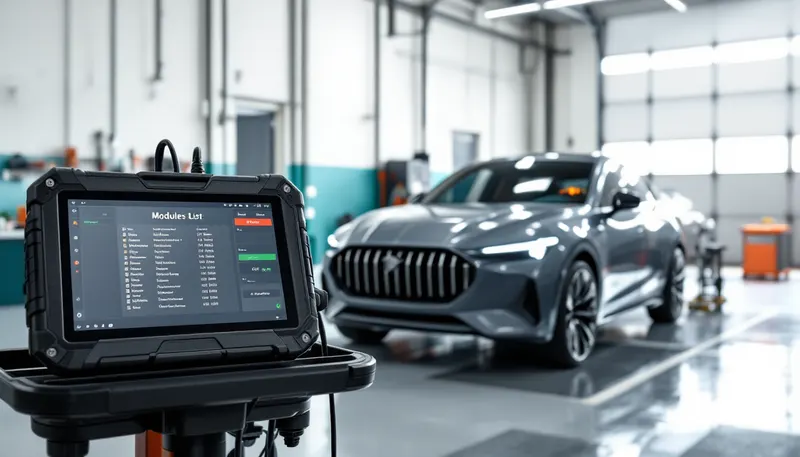
Check Engine Diagnostics
Factory-level scan, cause confirmed, written range
- Price range
- $99–$189
- Typical time
- 1–1.5 hours
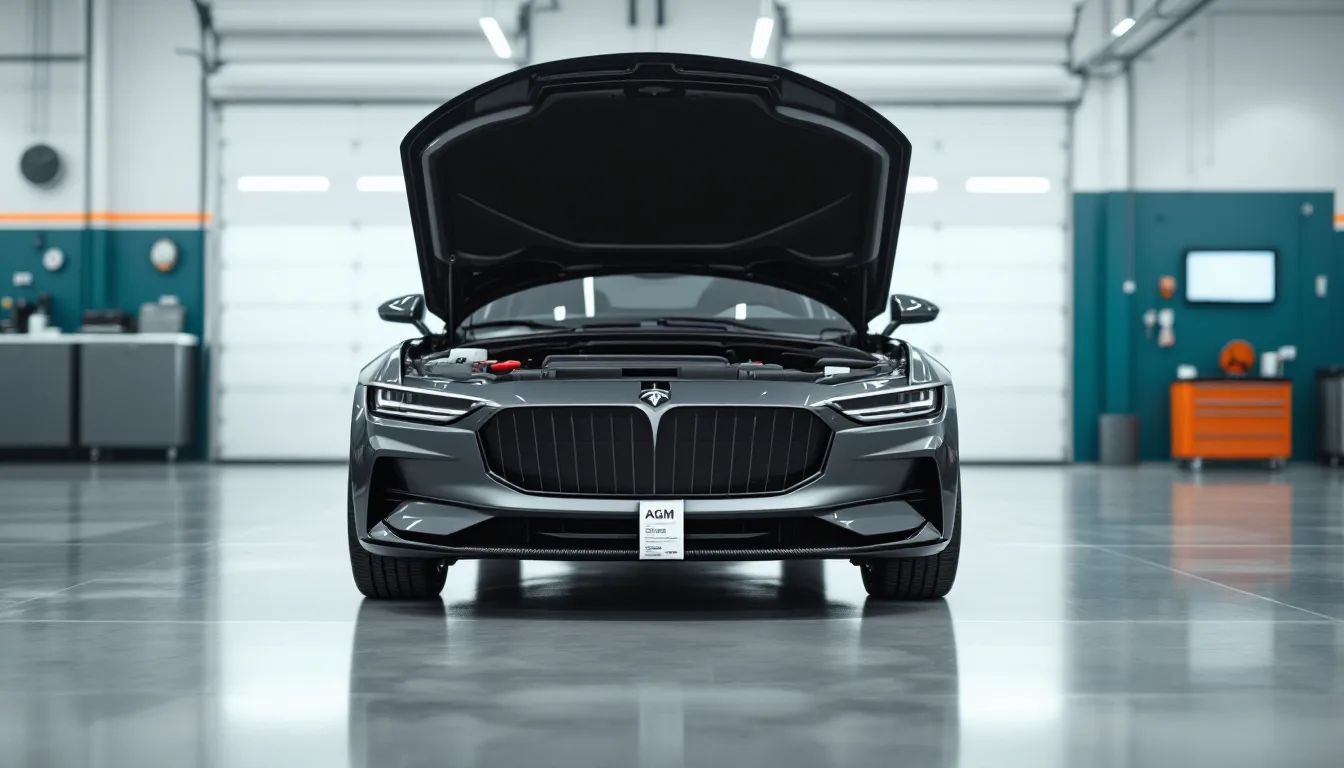
$179–$950 · 1–3 hours
A car that will not start has three usual suspects and a hundred rare ones. The test takes minutes and sorts them before you pay for a part; a battery is $179–$399 fitted and registered, an alternator $450–$950, a starter $350–$750.
All makes, published price ranges, every repair covered for 2-year/24,000-mile
Symptoms
Problem
Slow crank, worse on hot afternoons
Likely cause
Battery capacity gone, or a starter drawing too much current
The fix
Load test and starter draw; battery $179–$399 or starter $350–$750
Problem
Single click, lights stay bright
Likely cause
Starter solenoid or motor, or a corroded cable at the starter
The fix
Voltage drop test at the starter; starter or cable replaced
Problem
Battery light on, car dies later
Likely cause
Alternator not charging, belt slipping, or a failed charging control circuit
The fix
Output and ripple test; alternator $450–$950, belt if worn
Problem
Dead after sitting two or three days
Likely cause
A module that stays awake, a glovebox or trunk light, an aftermarket accessory
The fix
Parasitic draw test, circuit isolated, cause repaired
Problem
New battery, still dies
Likely cause
Battery never registered on a car that manages charging, or the draw was never found
The fix
Registration with the tool, then the draw test
Problem
Dash warnings and random faults
Likely cause
Low system voltage or a poor ground confusing the modules
The fix
Grounds and voltage drop checked before any module is blamed
A battery that is flat is a symptom. Sometimes the battery itself has failed, which in Dallas it does early; sometimes the alternator stopped charging it, sometimes a starter is drawing so much current that a healthy battery cannot turn it, and sometimes a module is keeping the car awake overnight. Replacing the battery when the alternator is the problem buys a week; replacing the alternator when the battery is the problem buys nothing.
The test takes a few minutes and costs less than any of those parts. The battery is load-tested and its state of health read; the alternator output is measured under load with the headlights and blower on and its ripple checked for a failing diode; the starter draw is measured on cranking; the cables and grounds are checked for voltage drop. The result is written on the estimate with the numbers, so the part being replaced is the one the test failed.
If the battery is simply discharged, because the car sat or a door was left open, it is charged and retested rather than condemned.
A battery fitted runs $179–$399. A flooded battery in a common group size for a Corolla, Civic, F-150 or Silverado sits at the low end. An AGM battery for a car with start-stop, a European car, a truck with heavy accessories or any vehicle whose manufacturer specifies AGM sits at the top, because the battery itself costs more. The fitting includes cleaning the terminals and tray, checking the hold-down and keeping the car's memory alive so the windows, radio and steering angle do not need relearning.
Many cars built in the last decade manage their charging through a battery monitoring sensor on the negative terminal. On those, including most Volkswagen and Audi models, Ford and GM vehicles with start-stop, newer Hyundai, Kia, Nissan and Honda models and the European makes, a new battery has to be registered with the tool so the car knows it has a fresh battery and charges it correctly. A new battery that is not registered is charged as if it were old, and it fails early. The registration is included when the car needs it.
The shop fits the battery type the manufacturer specifies; putting a flooded battery into a start-stop car saves money for about a year.
An alternator that has failed shows up on the test as low output, no output, or excessive ripple from a diode that has died. The battery light is the usual warning, but on many cars the first sign is dim lights at idle, a whine that changes with revs, or a battery that keeps dying with no draw. The belt and tensioner are checked first because a slipping belt gives the same low output as a worn alternator and costs far less.
An alternator fitted runs $450–$950. Access sets most of the difference: an alternator on top of the engine on a Toyota or Honda four-cylinder is a quick job; one buried under the intake on a V6, or behind the frame rail on a truck, is not. Cars with computer-controlled charging need the new unit to be compatible with the control signal, which is why a cheap universal alternator sometimes charges wrongly on them.
The battery is retested after the alternator is replaced, because a battery run flat repeatedly by a failing alternator is often damaged, and the estimate says so before the work rather than after.
A starter gives notice in three ways: a single click with bright lights, which is the solenoid engaging and the motor not turning; a grinding noise, which is the drive gear failing to mesh with the flywheel; and an intermittent no-crank that works after a tap or a few tries, which is worn brushes or a solenoid contact. Dallas heat adds a fourth, a starter that works cold and refuses hot, because heat soak raises the resistance in the windings.
Before a starter is condemned, the cable and the ground are tested for voltage drop, because a corroded cable end at the starter is a cheaper repair that produces the same click. A starter fitted runs $350–$750, with access again setting the figure: on top of a transmission bell housing on many four-cylinders, under an intake manifold on some V6s and V8s, which costs more labor.
Push-button start cars add a layer: a no-crank on those can be a brake switch, a shifter position sensor or the start-stop module, and the brand tool reads which one before a starter is quoted.
A parasitic draw is a circuit that stays awake after the car is locked. Every car draws a little, enough to run the clock and the alarm; a draw of more than a few hundredths of an amp will flatten a battery in days. The test at $149–$279 puts an amp clamp on the battery cable, lets the car go to sleep, which on some models takes half an hour or more, and then pulls fuses one at a time until the draw disappears. That names the circuit; tracing the part on that circuit is the rest of the time.
The usual culprits are a glovebox, trunk or vanity light switch, an aftermarket alarm or stereo wired badly, a dealer-installed accessory, a telematics module that will not sleep, a relay stuck on, or a body module kept awake by a door latch sensor. On trucks it is often a trailer brake controller or a light bar. The repair is frequently a small part or a wiring correction, which is why the test is worth paying for before another battery.
A draw that only happens occasionally is harder, and the shop may fit a logging meter and ask you to drive the car for a few days. That is explained and quoted before it is done.
Heat, not cold, kills batteries. Underhood temperatures above 120 degrees through a Texas summer evaporate the electrolyte and corrode the plates, so a battery that lasts five years in a mild climate lasts two to four here. The failure usually shows in the first cold snap, when the engine needs more current and the battery has less to give, or in the first hot week, when a starter needs more current. A test every summer, done in a minute with the oil change, catches it before the parking lot does.
Battery $179–$399, alternator $450–$950, starter $350–$750, parasitic draw test $149–$279. Inside each range the price moves with the battery type and group size, the access to the part, whether a belt or cable is needed, and whether the car requires registration or a relearn afterward. Every repair is covered for 2 years parts and 2 years labor, up to 24,000 miles, nationwide, and most are done the same day.
Batteries are from established manufacturers in the group size and type the car specifies, flooded, EFB or AGM, with a dated warranty of their own; alternators and starters are original-equipment, OE-supplier (Denso, Bosch, Valeo, Hitachi, Mitsubishi Electric, Motorcraft, ACDelco) or remanufactured by rebuilders that warrant them nationwide.
Every battery replacement includes terminal and tray cleaning, memory retention and the registration or BMS reset where the car requires it; a charging system test follows every battery and alternator job.
What moves the price: battery type and size, access to the alternator or starter, cable or belt condition, and whether a relearn or registration is required.


Pricing
| Service | Price range | Typical time |
|---|---|---|
| Battery replacement, flooded to AGM, registration included where required | $179–$399 | under 1 hour |
| Alternator, with belt inspection and charging test | $450–$950 | 1.5–3 hours |
| Starter, with cable voltage drop test | $350–$750 | 1–3 hours |
| Parasitic draw test and circuit isolation | $149–$279 | 2–3 hours |
| Key or module programming after a battery-related module fault | $149–$350 |
Dallas independent-shop ranges; the test names the failed part before the estimate is written, and battery type and part access set the figure within the range.
The offer
Risk reversal
Covered for 2 years parts and 2 years labor, up to 24,000 miles, nationwide
No deposit, no card online: you approve the written range before any part is ordered
Published range
$179–$950
1–3 hours
Brands
Ford
F-150, Super Duty F-250 and F-350, Explorer and Expedition
Chevrolet
Silverado and Sierra, Tahoe, Suburban and Yukon, Equinox, Terrain and Traverse
Nissan
Altima and Maxima, Sentra and Versa, Rogue and Murano
Kia
Optima and K5, Forte and Rio, Soul
Volkswagen
Jetta and Passat, Tiguan and Atlas, Golf, GTI and Golf R
All makes
Mazda and Subaru, Jeep, Ram, Dodge and Chrysler, GMC, Buick and Cadillac
Questions
Fitted and tested, $179–$399. A common flooded battery is at the low end; an AGM battery for a start-stop, European or heavily equipped vehicle is at the top. The price includes cleaning the terminals, keeping the car's memory and registering the battery on cars that require it.
Either the car needed the battery registered and it was not, so it was charged as an old battery, or the cause of the first failure, an alternator or a parasitic draw, was never found. The test sorts both, and the draw test at $149–$279 finds a circuit that stays awake.
Only roughly. A car that starts after a jump and runs is more likely a battery; a car that dies while driving with the battery light on is more likely an alternator. The test takes minutes and costs less than guessing wrong, so the honest answer is to bring it in or have it towed.
Batteries, yes, in under an hour when a bay is open. Starters and alternators on common vehicles are usually same-day because the parts are local, and the estimate states the time. Hard-to-reach units on V6 and V8 engines can take most of a day.
Often badly. Cars with computer-controlled charging send a signal to the alternator and expect a specific response; a universal unit may overcharge, undercharge or set a code. The shop fits original-equipment or OE-supplier units matched to the part number for that reason.
Yes. Most hybrids use a small AGM battery, often in the trunk, that runs the computers and wakes the high-voltage system; it does not crank an engine. It is tested and replaced the same way at the AGM end of the $179–$399 range, and the high-voltage battery is a separate matter that the diagnosis will identify.
Related
Factory-level scan, cause confirmed, written range

Spare keys, lost keys, module programming

Right oil spec, filter, inspection, reminder reset
Book Battery and Electrical Repair in Dallas
Battery, alternator, starter and wiring repair in Dallas for any make: the charging and starting system tested before a part is sold, AGM batteries registered where the car requires it, parasitic draws traced, each quoted as a written range.