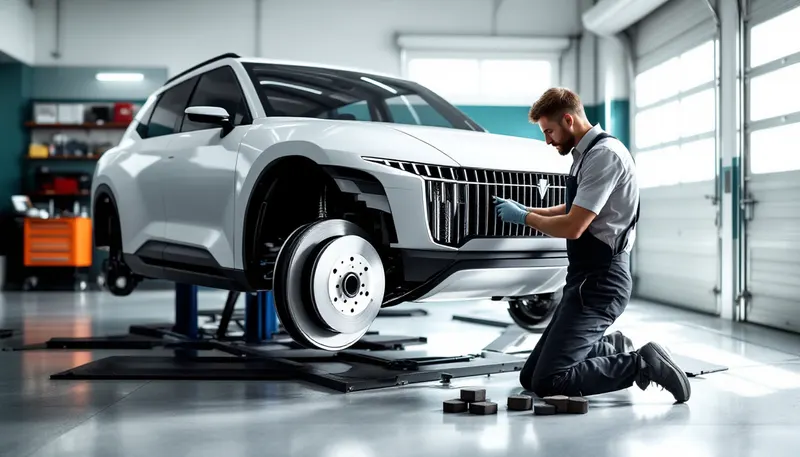
Brake Repair
Pads, rotors, calipers, fluid; quoted per axle
- Price range
- $249–$699 per axle
- Typical time
- 1.5–3 hours
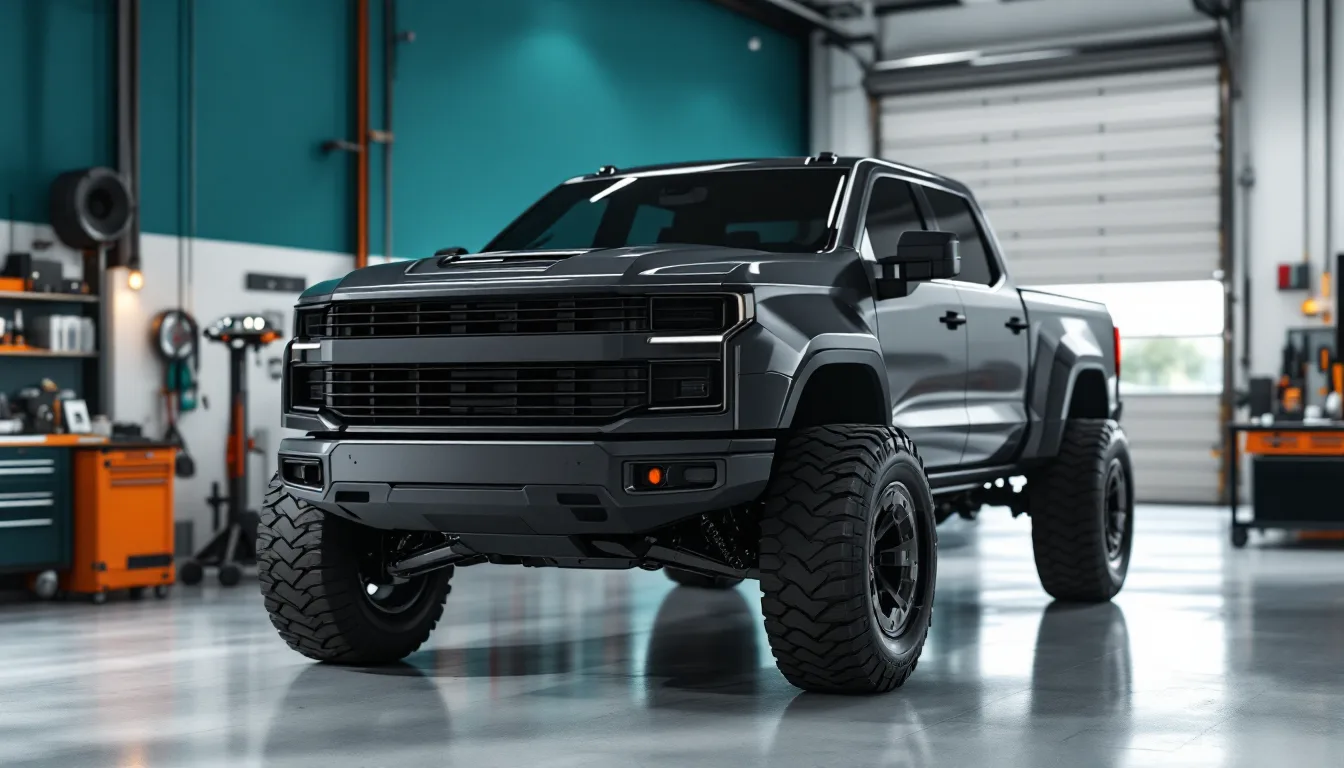
F-150 · Super Duty F-250 and F-350 · Explorer and Expedition · Escape and Edge · Fusion and Focus · Mustang
The F-150 is the most common vehicle in Dallas County and the shop treats it that way: brakes sized for towing, cooling systems that have met ten summers, EcoBoost engines read with Ford's own software, and every job priced as a published range.
All makes, published price ranges, every repair covered for 2-year/24,000-mile
Model lines
F-150
2009–present
Twelfth through fourteenth generation; 5.0 Coyote V8, 3.5 and 2.7 EcoBoost V6, 3.3 V6; 6R80 then 10R80 automatics; aluminium body from 2015. The shop's most common vehicle.
Super Duty F-250 and F-350
2008–present
6.2 and 7.3 gasoline V8s, 6.4, 6.7 Power Stroke diesels; TorqShift automatics; work trucks and tow vehicles with their own emissions and DEF systems.
Explorer and Expedition
2011–present
Fifth and sixth generation Explorer with the 3.5 V6, 2.3 and 3.0 EcoBoost; Expedition with the 3.5 EcoBoost; family and fleet SUVs.
Escape and Edge
2008–present
Escape with the 2.5, 1.5, 1.6 and 2.0 EcoBoost and hybrids; Edge with the 3.5 V6 and 2.0 EcoBoost; 6F35 and 8-speed automatics.
Fusion and Focus
2010–2020
Fusion with the 2.5, 1.5, 2.0 EcoBoost and hybrids; Focus with the 2.0 and the PowerShift dual-clutch on 2012–2016 automatics.
Mustang
2011–present
S197 and S550 with the 5.0 Coyote, 3.7 V6 and 2.3 EcoBoost; 6- and 10-speed automatics and manuals.
Common problems
Problem
Focus and Fiesta with the PowerShift DPS6 dual-clutch, 2011–2016: Shudder from a stop, slipping, grinding, warning lights, loss of drive.
Likely cause
Dry clutch and the transmission control module design; Ford extended coverage and settled litigation on these.
The fix
Diagnosis with FDRS; clutch and module repair quoted against a replacement, with the honest view of the car's value.
Transmission Service and RepairProblem
3.5 EcoBoost and 3.5 V6 in F-150, Explorer, Expedition, 2011–2017: Rattle on a cold start, check engine light with timing codes, loss of power.
Likely cause
Cam phasers and timing chain tensioners wear, worsened by stretched oil intervals; the water pump on the naturally aspirated 3.5 is inside the timing cover.
The fix
Diagnosis with FDRS, phasers and chain kit quoted; Explorer internal water pump quoted with the timing set.
Check Engine DiagnosticsProblem
Escape, Fusion, Edge with the 6F35 and 6F50 automatics, 2010–2019: Harsh shifts, delayed engagement, shudder, fluid leak at the pan or the cooler lines.
Likely cause
Degraded Mercon LV fluid, valve body and solenoid wear, and leaking pan and line seals.
The fix
Fluid and filter service with Mercon LV, $189–$349; valve body $600–$1,800 when the solenoids fail the test.
Transmission Service and RepairProblem
F-150 with the 10R80 10-speed, 2017–present: Clunky downshifts, hunting, a harsh engagement from park.
Likely cause
Adaptive learning drifting, software, and on some trucks a worn lead frame or pump.
The fix
Software update through FDRS and an adaptive relearn first, then the hardware if the fault stays.
Transmission Service and RepairProblem
F-150, Explorer, Escape, Edge, 2009–2020: Coolant loss, overheating in traffic, pink crust on the degas bottle or radiator tank.
Likely cause
Plastic degas bottles, radiator end tanks and thermostat housings cracked by heat cycles.
The fix
Pressure test, then the bottle, radiator or housing with the correct Ford coolant, $129–$950.
Cooling System RepairProblem
F-150 and Super Duty that tow, all years: Pedal pulsation, rotor warp, pads worn quickly, rear brakes rusted.
Likely cause
Heavy rotors cooked by towing and economy pads; rear calipers that seize from age.
The fix
Pads and rotors per axle with the right compound, $249–$699, calipers $189–$449 each.
Brake RepairProblem
F-150, Expedition and Explorer, 2010–2020: Air from the wrong vents, one side hot, no temperature change.
Likely cause
Blend and mode door actuators strip their gears, a Ford truck signature.
Problem
F-150 and Super Duty, 2015–present: Battery dies after a few days, start-stop disabled, warnings on the cluster.
Likely cause
A module that stays awake, aftermarket accessories, and batteries that were never registered after replacement.
The fix
Parasitic draw test $149–$279, registration with FDRS after a new AGM battery.
Battery and Electrical RepairThe F-150 first, from contractors who run them hard and from families who tow on weekends, then the Explorer and the Escape from the suburbs, the Super Duty from the trades, the Fusion and Focus that are now the affordable used cars of east Dallas, and the Mustang from owners who keep them. Fleet work trucks from the businesses along I-35E and Loop 12 are a steady part of the week.
A Ford with its oil changed on the monitor, its transmission fluid serviced and its cooling system watched is a durable vehicle. The ones that arrive on a tow truck are mostly the ones where one of those three was skipped.
The PowerShift dual-clutch in the 2011–2016 Focus and Fiesta is the most notorious: shudder, slipping and warning lights from a dry-clutch design and its control module, which Ford covered under extended programs that have mostly run out. The 3.5 V6 and 3.5 EcoBoost of 2011–2017 wear their cam phasers and chain tensioners and rattle on a cold start; the naturally aspirated 3.5 in the Explorer also puts its water pump inside the timing cover, which turns a coolant leak into a major job.
The 6F35 and 6F50 automatics in the Escape, Fusion and Edge respond to a fluid service early and to a valve body late. The 10R80 in the F-150 is mostly a software and relearn transmission. Plastic cooling parts fail after eight to twelve summers across the range. Trucks that tow cook their brakes. Blend door actuators strip. Batteries on newer trucks die when a module stays awake or when a new battery was never registered.
The 6.7 Power Stroke diesel is strong and expensive to neglect: fuel filters on time, DEF quality, and emissions faults diagnosed properly rather than deleted.
FDRS is the software Ford dealers use, and the shop runs it with a J2534 interface. It reads every module, programs replacement modules to the VIN, runs the adaptive relearn that the 10R80 and the 6F35 need after a service, registers an AGM battery so the truck charges it correctly, calibrates the blend door actuators, and applies the software updates Ford publishes for shift quality and false warnings.
The $99–$189 diagnosis on a Ford uses it. A generic scanner reads the engine code; FDRS tells you the transmission adaptive values have drifted and that a relearn, not a rebuild, is the fix.
An F-150 that pulls a boat to Lake Ray Hubbard or an F-250 that hauls materials across Dallas County wears its brakes, suspension and cooling system faster than the odometer suggests. Brake jobs on those trucks are quoted with semi-metallic pads and quality rotors, $249–$699 per axle at the upper end. Rear shocks, leaf spring bushings and ball joints are checked at every oil change. Transmission fluid is serviced at 60,000 miles, not left to the long interval.
Say how the truck is used when you book; the parts and the interval are chosen for the load, and the estimate explains the choice.
Send the year, model, engine and mileage with the symptom, and say whether the truck tows or hauls. Warning lights and drivability complaints start with an FDRS diagnosis at $99–$189 and a written range; maintenance follows the Ford monitor with Ford-specified oil and fluids. That work carries 2 years parts and 2 years labor, up to 24,000 miles, nationwide, like everything the shop invoices. To book, email service@dallasmechanic.net.
Costs
| Service | Price range | Typical time |
|---|---|---|
| FDRS diagnosis, engine, transmission or module warning | $99–$189 | 1–1.5 hours |
| Brake pads and rotors, per axle, F-150 or Explorer | $249–$699 | |
| Transmission fluid and filter service, Mercon LV or ULV | $189–$349 | |
| Valve body or solenoid repair, 6F35 or 6F50 | $600–$1,800 | |
| Degas bottle, radiator or thermostat housing with Ford coolant | $129–$950 | |
| Oil change, EcoBoost or V8 full synthetic | $79–$139 | |
| AGM battery with FDRS registration | $179–$399 |
Dallas independent ranges from the shop's published table; trucks that tow sit toward the top for brakes and suspension, and every figure is written before the parts are ordered.
How booking works
Covered for 2 years parts and 2 years labor, up to 24,000 miles, nationwide
Questions
Sometimes. The clutch pack and the transmission control module can be replaced, and the shop quotes that against a replacement unit and against the value of the car, which on a ten-year-old Focus matters. The FDRS diagnosis first confirms that the shudder is the clutch and not a cheaper fault.
Toward the top of the $249–$699 per-axle range, because the rotors and calipers are large and a truck that tows is quoted with semi-metallic pads. Rear calipers that have seized add $189–$449 each. The rotors are measured and the range written before the work.
On 2011–2019 Explorers with the 3.5 V6 the water pump sits inside the timing cover and leaks into the engine or evaporates; on others it is a cracked degas bottle or thermostat housing. The pressure test and the combustion test tell which, and the internal pump is quoted with the timing set because the labor is shared.
Usually neither at first. Clunky or hunting shifts on the 10R80 are most often adaptive values that have drifted and software that Ford has updated; FDRS applies the update and relearns the transmission. Hardware is quoted only if the fault stays after that.
Yes: oil and fuel filters at the interval, DEF system and emissions faults diagnosed with FDRS, cooling and brake work. The shop does not delete emissions equipment. Say what the truck does for a living when you book so the right parts are on hand.
Services
Pads, rotors, calipers, fluid; quoted per axle
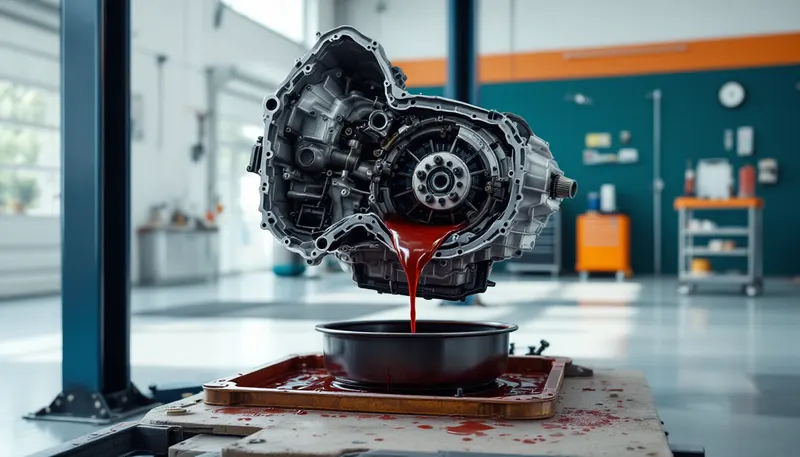
Fluid service to full replacement, diagnosed first
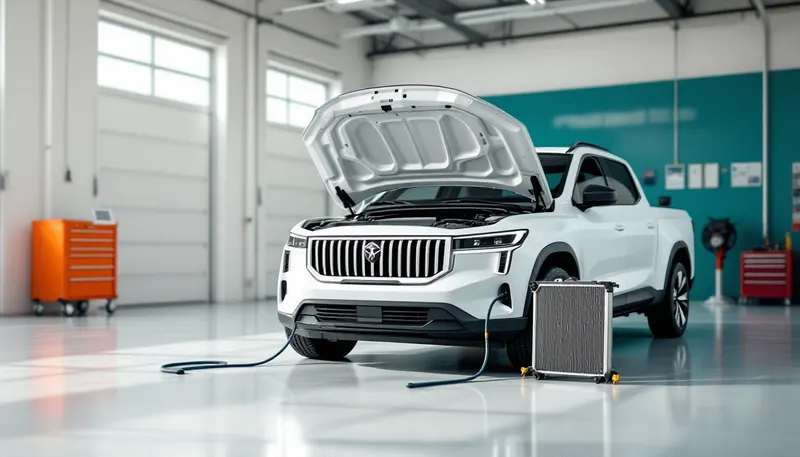
Overheating diagnosed, radiator, pump, thermostat
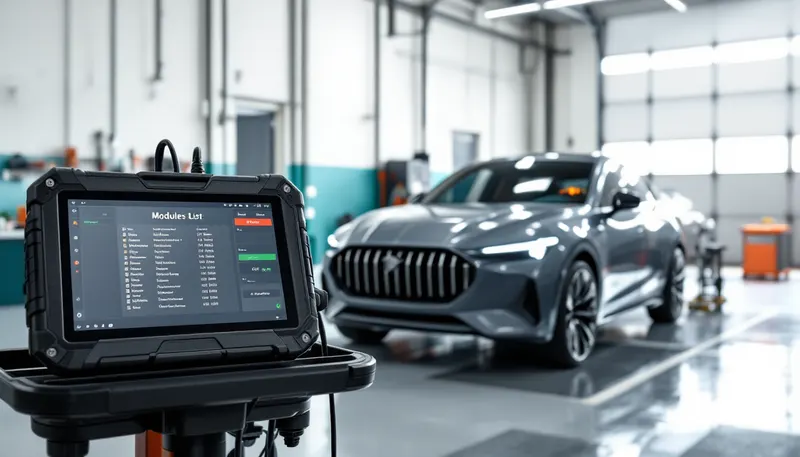
Factory-level scan, cause confirmed, written range
Tested first: battery, alternator, starter, draws
Bring your Ford to a shop that publishes its prices
The F-150 is the most common vehicle in Dallas County and the shop treats it that way: brakes sized for towing, cooling systems that have met ten summers, EcoBoost engines read with Ford's own software, and every job priced as a published range.