Battery and Electrical Repair
Tested first: battery, alternator, starter, draws
- Price range
- $179–$950
- Typical time
- 1–3 hours
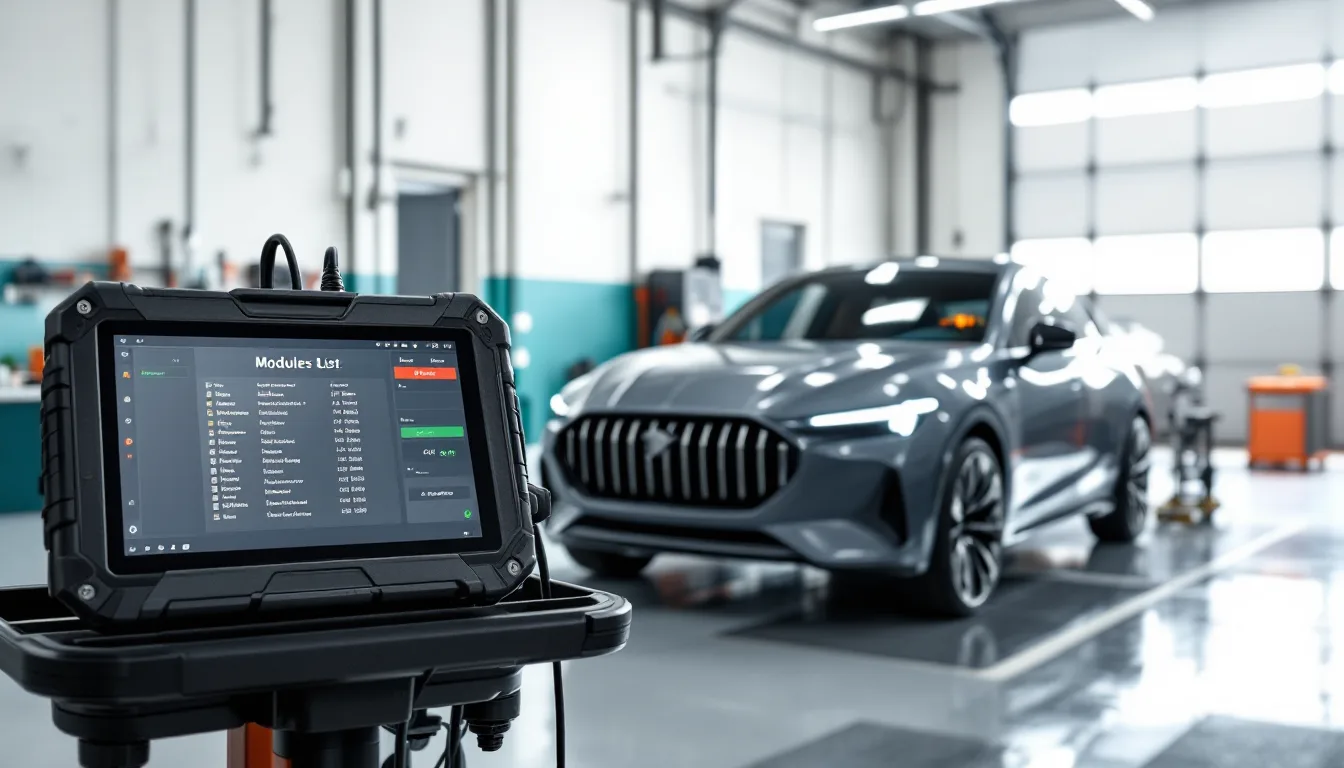
$99–$189 · 1–1.5 hours
A code tells you which test failed, not which part failed. The $99–$189 diagnosis reads every module with the right tool for your brand, proves the cause, and gives you a written range before a single part is ordered.
All makes, published price ranges, every repair covered for 2-year/24,000-mile
Symptoms
Problem
Light on, car drives normally
Likely cause
Evaporative leak (loose cap, cracked hose, purge valve), lazy oxygen sensor, catalyst efficiency code
The fix
Smoke test or sensor data confirms the part; most are same-day repairs
Problem
Light flashing, engine shaking
Likely cause
Active misfire from a coil, plug, injector or a mechanical cause; raw fuel reaching the catalytic converter
The fix
Stop driving; misfire counters and coil swap isolate the cylinder before the converter is damaged
Problem
No power, stuck in one gear
Likely cause
Limp mode set by the engine or transmission module after a sensor, throttle body or solenoid fault
The fix
Read the module that set limp mode, test the part, repair, then clear and road test
Problem
P0420 or P0430 after a cheap repair elsewhere
Likely cause
An aftermarket converter below the OEM standard, an exhaust leak or an upstream fuel-trim problem
The fix
Fuel trims and rear sensor response checked before any converter is quoted
Problem
Failed emissions for not ready
Likely cause
Monitors reset by a battery disconnect or a code clear and the drive cycle never completed
The fix
Monitor status read, the specific drive cycle for your make driven, retest
Problem
Light comes and goes for weeks
Likely cause
Intermittent wiring, a connector with pin drag, a sensor that drops out hot
The fix
Extended diagnosis with a scope and wiggle test on the harness
A diagnostic trouble code is a label the engine computer attaches to a test it ran and did not like. P0171 means the mixture was leaner than expected on bank one; it does not say whether a vacuum hose split, the mass airflow sensor reads low, an injector is partly blocked or the fuel pump is tired. Replacing the part a search engine associates with the code is how owners end up buying a sensor, then a converter, and still have the light on.
A hand-held reader also talks to the engine module and little else. The transmission, body, ABS, airbag, climate and power steering computers each keep their own codes, and on most cars built in the last fifteen years the engine light is set by data that passed through several of them. Reading only the engine side is reading one chapter.
The $99–$189 visit starts from the whole car. The manufacturer-level tool for your make pulls codes from every module, records the freeze frame that shows what the engine was doing when the fault set, and then runs the live data and guided tests that separate the possible causes. You leave with the cause named, not with a code.
The technician first confirms the complaint: whether the light is steady or flashing, whether the car drives normally, whether anything was recently done to it. A battery replaced last week, an oil change where a connector was knocked, or a code cleared at a store all change where the search starts.
Then the scan. Every module is read and the results saved to the work order before anything is cleared, because a cleared code takes its freeze frame with it. Pending codes and history codes matter as much as current ones: a pending misfire on cylinder three plus a history code for the same cylinder a month earlier points at hardware, not at a tank of bad fuel.
The third step is the test that proves the cause. For a lean code that is fuel trims at idle and at 2,500 rpm with a smoke machine on the intake. For a misfire it is the misfire counters per cylinder, then a coil or injector moved to a neighbouring cylinder to see if the fault follows it. For an evaporative code it is the smoke test of the tank and lines. For a catalyst code it is the rear oxygen sensor response against the front one with the engine warm. The write-up names the failed part, the part number family, the labor time and the range.
An all-makes shop earns the name by owning the diagnostic software for each brand, not by owning one generic box. Toyota and Lexus faults are read with Techstream, Honda and Acura with the i-HDS platform, Nissan and Infiniti with CONSULT, Ford with FDRS, GM with GDS2 and its MDI interface, Hyundai and Kia with GDS, and Volkswagen and Audi with ODIS. Each one runs the brand's own guided tests, actuator commands and module programming that a generic tool cannot reach.
For other makes, including Mazda, Subaru, Jeep and Ram, Mercedes and BMW, the shop uses the brand tool where it is available and a professional multi-brand platform with bidirectional control where it is not, backed by a J2534 pass-through interface for programming. The practical difference is that a failed purge valve on a Camry can be commanded open and closed from the tool while the technician watches the fuel trim respond, instead of being guessed at.
Dallas drivers see the difference most on the jobs that go wrong elsewhere: a Honda with a VTC actuator rattle logged as a timing code, a Nissan CVT that sets an engine code through its judder, a GM truck with an active fuel management lifter misfire, a VW with a carbon-related misfire that only shows cold. Each of those has a documented test in the brand software and none of them is solved by a generic scanner.
The published range is $99–$189. The bottom covers a stored code with a clear freeze frame and a cause confirmed in the first tests: a failed coil, a cracked evaporative hose, a sensor out of range. The top covers cars with several modules reporting, a code that needs a smoke test and a pressure test, or a hybrid where the engine code is a symptom of a system fault that lives in another computer.
What the fee does not include is the repair, which is always a separate written range, and the extended diagnosis described below. If the shop finds the cause in the first fifteen minutes, you still pay the diagnostic line, because what you bought is the certainty that the part being replaced is the one that failed. If the repair is approved, the write-up states how the diagnostic line is treated on the final invoice.
Dealer diagnostic fees in Dallas are commonly higher, and the difference is overhead, not tooling. The shop uses the same brand software; the labor rate behind it is an independent one.
Some faults do not sit still. A code that sets once a week in the heat, a harness that chafes against a bracket, a connector with a spread terminal, a ground strap corroded under a fender: these need the car wired up with an oscilloscope or a logging tool and driven, or the harness wiggled while a meter watches the circuit. That work is quoted in advance as extended diagnosis at $189–$379, and it is only started when you have agreed to it.
Typical cases from the bays: a Ford with an intermittent crank sensor signal that drops out at operating temperature, a Chevrolet with a chafed engine harness behind the intake, a Kia with a connector in the oxygen sensor circuit that opens on a bump, a Honda with a main relay that fails only hot. In every one of those cases the first visit found the clue and the second block of time found the wire.
The write-up from extended diagnosis is often a repair of a few dollars in parts, which is why it is quoted separately rather than folded into a guess at a sensor. Repairing a chafed wire is cheaper than replacing three sensors that were never faulty.
Texas ended the annual safety inspection at the start of 2025, but Dallas County and the surrounding counties still require the emissions test for gasoline vehicles in the covered model years, and the test is done through the OBD port. A lit check engine light is an automatic fail. So is a car whose readiness monitors show not ready, which happens after a code clear, a dead battery or a battery replacement.
The diagnosis includes a readout of the monitor status for your make. Each manufacturer publishes a drive cycle, a sequence of cold start, steady cruise and deceleration that lets the computer run its self-tests, and some of them are fussy: Hyundai and Kia evaporative monitors want a specific fuel level, Toyota catalyst monitors want a sustained highway cruise, and many GM trucks need an overnight cold soak. The shop drives the cycle after a repair and confirms readiness before you book the test, charged at $49–$99 when the cycle needs a separate drive.
If you failed the test with the light off, the inspection station printout lists the monitors that were incomplete, and that printout is the first thing to bring with the car.
A steady amber light with no change in how the car drives is normally safe for a few days of ordinary use; book the diagnosis and avoid long highway runs. A flashing light is different: the engine computer flashes it when a misfire is severe enough to send unburned fuel into the catalytic converter, and a converter on a modern car is one of the more expensive single parts to replace. Pull over, let it cool, and arrange a tow or a very short drive.
A check engine light paired with a red oil pressure or temperature warning is a stop-now situation whatever the engine light means. The same goes for a light that arrives with a sudden loss of power on the highway: limp mode is the computer protecting the transmission or engine, and driving it hard in limp mode defeats the purpose.
When you reach out, say which lights are on, whether the car drives differently, and what was done to it recently. Before you decide, email service@dallasmechanic.net with a photo of the cluster and the shop can tell you whether to drive in or tow in.
The diagnostic fee is time, not parts. When the repair is approved it uses original-equipment or OE-supplier parts, Denso, NGK, Bosch, Delphi, Hitachi, Aisin and similar, matched to the part number the brand tool specifies, because a sensor with the wrong calibration sets the same code again.
Catalytic converters deserve a separate note. Texas does not require CARB-compliant converters, but a converter below the OEM efficiency standard will fail the rear sensor test on many engines and bring the P0420 code back within months; the estimate explains the choice between an OEM unit and a quality aftermarket one and what each means for the code.
What moves the price inside the range: the number of modules reporting faults, whether a smoke, pressure or scope test is needed to prove the cause, and whether the car is a hybrid or has a history of previous repairs for the same light.


Pricing
| Service | Price range | Typical time |
|---|---|---|
| Check engine diagnostics: full-module scan, live data, written findings with a range | $99–$189 | 1–1.5 hours |
| Extended electrical or intermittent-fault diagnosis (scope, wiggle test, harness tracing) | $189–$379 | 2–4 hours |
| Emissions readiness drive cycle after a repair | $49–$99 | under 1 hour |
| Battery and charging system test if the fault points at low voltage | $179–$399 for a battery |
Typical ranges for independent shops in Dallas; the figure for your car is written before the repair starts and depends on how many modules report, which tests are needed and what the tests find.
The offer
Risk reversal
Covered for 2 years parts and 2 years labor, up to 24,000 miles, nationwide
No deposit, no card online: you approve the written range before any part is ordered
Published range
$99–$189
1–1.5 hours
Brands
Toyota
Camry and Avalon, Corolla, RAV4 and Highlander
Honda
Civic, Accord, CR-V and HR-V
Nissan
Altima and Maxima, Sentra and Versa, Rogue and Murano
Ford
F-150, Super Duty F-250 and F-350, Explorer and Expedition
Chevrolet
Silverado and Sierra, Tahoe, Suburban and Yukon, Equinox, Terrain and Traverse
All makes
Mazda and Subaru, Jeep, Ram, Dodge and Chrysler, GMC, Buick and Cadillac
Questions
No. The store reader shows the engine code and nothing else. The diagnosis reads every module with the manufacturer-level tool for your make, records the freeze frame, runs the guided tests that prove which part failed, and ends with a written repair range. The store read tells you a test failed; the diagnosis tells you why.
Because the time is real and the result is yours whether or not you repair the car here. A diagnosis that is given away is usually a code read, and the cost is recovered by replacing parts the code suggested. Paying $99–$189 for the cause named in writing is cheaper than paying for a sensor that was never faulty.
How the diagnostic line is treated on the final invoice is stated on the written estimate before you approve anything, so there is no surprise either way. The diagnosis and the repair are separate lines, and the estimate shows both.
The code is still stored as a history entry with its freeze frame, and the fault that set it usually returns. A light that cycles on and off is the classic sign of an intermittent problem, which is easiest to find while the history data is still in the module. Bring it in before the next time it sets.
Yes. Toyota, Ford, Honda and Hyundai hybrids are read with the brand tool, including the hybrid control module; high-voltage battery and inverter replacement are not offered, but the diagnosis will tell you whether that is what the car needs. Light-duty diesel pickups from Ford, GM and Ram are diagnosed for engine, emissions and DEF faults the same way.
The diagnostic visit takes 1–1.5 hours and the written findings are sent the same day. If the car needs extended diagnosis, you are told at that point and given its own range before the extra time is spent. When the schedule allows, a diagnosis booked in the morning is finished the same afternoon.
Related
Tested first: battery, alternator, starter, draws
Fluid service to full replacement, diagnosed first
Overheating diagnosed, radiator, pump, thermostat
Book Check Engine Diagnostics in Dallas
Check engine light diagnosis in Dallas for any make: every module scanned with the factory-level tool for the brand, freeze-frame and live data read, the cause confirmed by test rather than by code, and a written repair range before anything is replaced.