
Oil Change
Right oil spec, filter, inspection, reminder reset
- Price range
- $59–$139
- Typical time
- 30–60 minutes

Camry and Avalon · Corolla · RAV4 and Highlander · Tacoma, Tundra and 4Runner · Prius and hybrids · Sienna
Toyotas last because they are maintained, not because they never break. The shop reads them with Techstream, services them to the Toyota schedule with the oils and fluids Toyota specifies, and publishes the ranges for the repairs they do eventually need.
All makes, published price ranges, every repair covered for 2-year/24,000-mile
Model lines
Camry and Avalon
2007–present
XV40, XV50 and XV70 generations; 2AZ-FE four in 2007–2011 cars, then the 2AR-FE and the A25A Dynamic Force engine from 2018; hybrid versions with the Toyota Hybrid System II.
Corolla
2009–present
E140, E170 and E210; 1.8 2ZR-FE across most years, 2.0 M20A from 2020; CVT from 2014, hybrid from 2020.
RAV4 and Highlander
2006–present
XA30 through XA50 RAV4 with the 2AZ, 2AR and A25A fours; XU40 through XU70 Highlander with the 2GR V6 and the hybrid system; the most common Toyota in Dallas driveways.
Tacoma, Tundra and 4Runner
2005–present
Second- and third-generation Tacoma with the 1GR and 2GR V6, Tundra with the 5.7 3UR-FE and now the twin-turbo V35A, 4Runner with the 1GR; body-on-frame trucks that tow and go off-road.
Prius and hybrids
2004–present
Prius generations two through five, plus the hybrid Camry, RAV4, Highlander and Sienna; nickel-metal hydride packs on older cars, lithium on newer ones.
Sienna
2011–present
XL30 with the 2GR V6 and the XL40 hybrid-only van from 2021; sliding doors and rear A/C are the van-specific items.
Common problems
Problem
Camry, RAV4, Scion with the 2AZ-FE, 2007–2011: Oil consumption of a quart every 1,000 miles or less, low-oil tick, eventual check engine light.
Likely cause
Piston ring design on those years lets oil past; Toyota ran a warranty enhancement that has now expired on most cars.
The fix
Consumption measured over a set mileage, PCV checked, then the honest options: shorter oil intervals with monitoring, or a piston and ring job quoted as engine work.
Oil ChangeProblem
Tacoma 2005–2010 and some Tundra and Sequoia: Frame rust, sometimes severe, and brake lines corroded on trucks that came from northern states.
Likely cause
Insufficient frame coating on those years; Texas-kept trucks are usually fine, out-of-state ones are not.
The fix
Inspection on the lift before any purchase or major repair; the pre-purchase inspection checks the frame specifically.
Pre-Purchase InspectionProblem
2GR-FE V6 in Camry, Highlander, Sienna, RAV4 V6, 2007–2017: Oil leak at the front of the engine, coolant loss with no visible puddle.
Likely cause
The rubber oil cooler line on early engines and the timing cover and water pump seals on higher-mileage ones.
The fix
Pressure and dye test, then the water pump or the line and the cover reseal as the test shows.
Cooling System RepairProblem
Prius and hybrid models past 10 years or 150,000 miles: Hybrid battery warning, reduced power, poor fuel economy, triangle warning light.
Likely cause
Nickel-metal hydride cells ageing unevenly; the inverter coolant pump on second-generation Prius also fails.
The fix
Techstream reads each block voltage; the pump is replaced where that is the fault; pack replacement is quoted after diagnosis.
Check Engine DiagnosticsProblem
Corolla and Camry with the CVT or the 6-speed automatic, 2014 onward: Shudder or hesitation at low speed, delayed engagement when hot.
Likely cause
Toyota WS fluid degraded by heat; the fluid is listed as lifetime and seldom changed.
The fix
Drain and fill with Toyota WS and the level set at temperature, $189–$349.
Transmission Service and RepairProblem
Tacoma, Tundra, 4Runner, Sequoia, 2005–present: Clunk over bumps, vague steering, inner tire wear.
Likely cause
Lower ball joints, sway bar links and leaf spring bushings worn by loads and rough roads.
The fix
Lift inspection and the worn parts replaced in the correct pairs, then alignment.
Suspension RepairProblem
Any Toyota with the dash-mounted A/C amplifier or an ageing compressor, 2005–2015: A/C intermittently warm, compressor cycling, or warm at idle only.
Likely cause
Condenser leaks from road debris, a failing compressor, or the condenser fan.
The Camry and the Corolla first, as in every city, then the RAV4 and the Highlander, which together are probably the most common family vehicles in the suburbs east of US-75. Tacomas and Tundras come in from contractors and from families who tow a boat to Lake Ray Hubbard, and the 4Runner from people who keep it for twenty years. The Prius and the hybrid Camry and RAV4 arrive for hybrid-specific faults and ordinary maintenance in equal measure.
Most are between six and fifteen years old and between 80,000 and 200,000 miles, which is where a Toyota starts to need the work it was spared early on: water pumps, suspension, A/C, a transmission fluid that was never changed, and on a few engines the oil consumption that Toyota itself acknowledged.
The shop treats a Toyota the way Toyota does: by the schedule, with the fluids it names, and with the factory software when something is wrong.
The 2AZ-FE four in 2007–2011 Camrys, RAV4s and Scions burns oil, and a car that was topped up through its life often arrives with a tick and a light; the honest answer is a measured consumption test and the choice between managing it and repairing it. The 2GR V6 leaks from its oil cooler line on early engines and from the timing cover on old ones, and its water pump weeps before it fails. The hybrids age their battery packs and, on the second-generation Prius, the inverter coolant pump.
Trucks are a different list: frame condition on out-of-state Tacomas, ball joints and leaf spring bushings from loads, brake rotors that warp on trucks that tow, and the starter and alternator access that makes those jobs cost more on a 5.7 Tundra. Every Toyota built since the mid-2010s with a CVT or a 6- or 8-speed automatic benefits from the transmission fluid service the schedule calls lifetime.
None of this makes a Toyota unreliable; it makes it a car with a known list, and the list is what the shop checks at every oil change.
Techstream is the software Toyota dealers use, and the shop runs it on every Toyota that comes in with a warning. It reads the hybrid control module and shows the voltage of every battery block, which is how a weak pack is confirmed rather than guessed; it runs the active tests on solenoids, fans and the A/C compressor; it performs the zero-point calibration after a steering or stability repair; and it resets the maintenance reminder properly.
On a generic scanner a Toyota hybrid with a triangle light shows a code and nothing else. On Techstream it shows which block, how far from the others, and whether the inverter or the pump is involved. The $99–$189 diagnosis uses it on every Toyota.
Batteries last two to four summers, the A/C condenser takes the debris from I-635 and the compressor runs at full output for five months, and the transmission fluid that Toyota calls lifetime oxidises in traffic. Rubber ages: the sway bar links, the strut mounts and the ball joint boots on trucks crack and let the grease out. Hybrid packs that sit in a parking lot at 140 degrees age faster than the same pack in a cooler climate.
The response is the severe-service schedule: oil at 5,000, the transmission drain and fill at 60,000, a battery test each summer, and the A/C performance check before the first hot week rather than during it.
Send the year, model, engine and mileage with the symptom, or book the service the reminder asks for. Maintenance uses the Toyota schedule and the Toyota oil grade; repairs start with a Techstream diagnosis at $99–$189 and a written range you approve before any part is ordered. Every repair is covered for 2 years parts and 2 years labor, up to 24,000 miles, nationwide. To book or ask about a specific symptom, email service@dallasmechanic.net.
Costs
| Service | Price range | Typical time |
|---|---|---|
| Oil change, 0W-20 or 0W-16 full synthetic | $79–$119 | 30–45 minutes |
| Techstream diagnosis, check engine or hybrid warning | $99–$189 | 1–1.5 hours |
| Brake pads and rotors, per axle (sedan low, Tundra high) | $249–$699 | |
| Transmission or CVT fluid service with Toyota WS | $189–$349 | |
| Water pump, 2GR V6 or 2AR four | $450–$1,200 | |
| A/C evacuate and recharge, R-134a or R-1234yf | $149–$399 | |
| Struts or shocks, pair, RAV4 or Tacoma | $600–$1,400 |
Ranges are the shop's published independent figures for Dallas and move with the model, the engine and what the inspection finds; a Tundra brake job and a Corolla brake job share a range but not a price.
How booking works
Covered for 2 years parts and 2 years labor, up to 24,000 miles, nationwide
Questions
It is common on the 2AZ-FE engine of those years, and it was the subject of a Toyota warranty enhancement that has expired for most cars. The shop measures the consumption over a set mileage, checks the PCV valve, and then lays out the choice: monitor and top up on a short oil interval, or a piston and ring repair quoted as engine work. Many owners drive on with the first option for years.
Toyota calls the WS fluid lifetime, and in a mild climate on light use that may hold. In Dallas heat and traffic the fluid oxidises, and a drain and fill at 60,000 miles for $189–$349 is cheap compared with the valve body and converter faults that neglected fluid produces. The shop recommends it and uses only Toyota WS.
Diagnosis, yes, with Techstream reading every battery block, the inverter and the pumps. Inverter coolant pumps, 12-volt batteries, brakes and all ordinary maintenance are done here. High-voltage pack replacement is quoted case by case after the diagnosis, and the shop tells you whether a pack or a lesser part is the problem.
Toward the top of the $249–$699 per-axle range, because truck rotors and calipers cost more, and trucks that tow are quoted with semi-metallic pads. A Tacoma lands below a Tundra. The rotors are measured first and the range is written before the parts are ordered.
No, as long as the work follows the Toyota schedule with the specified oil and fluids and is documented, which federal warranty law protects. The invoice lists the oil grade, the parts and the mileage, and the reminder is reset with Techstream so the record is complete.
Services
Right oil spec, filter, inspection, reminder reset
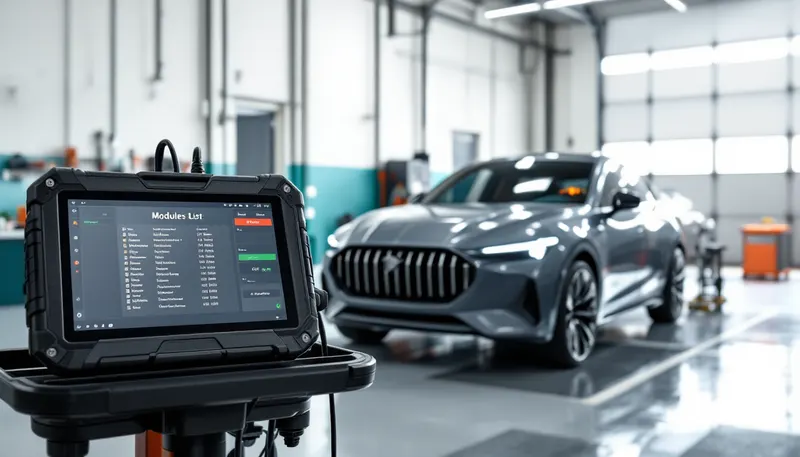
Factory-level scan, cause confirmed, written range
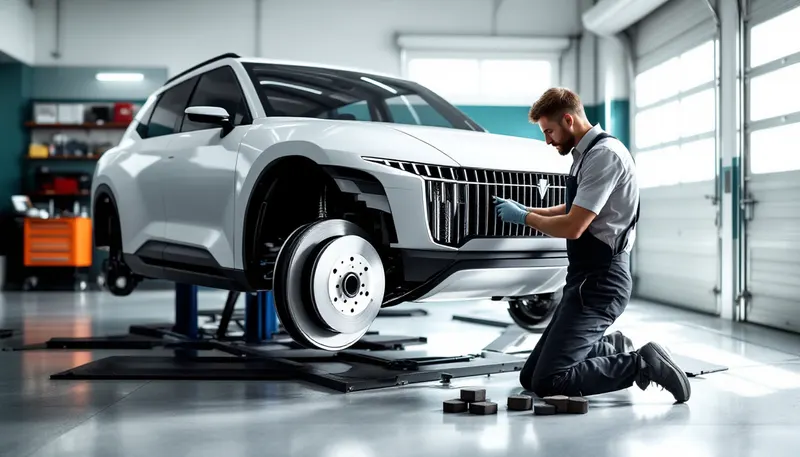
Pads, rotors, calipers, fluid; quoted per axle
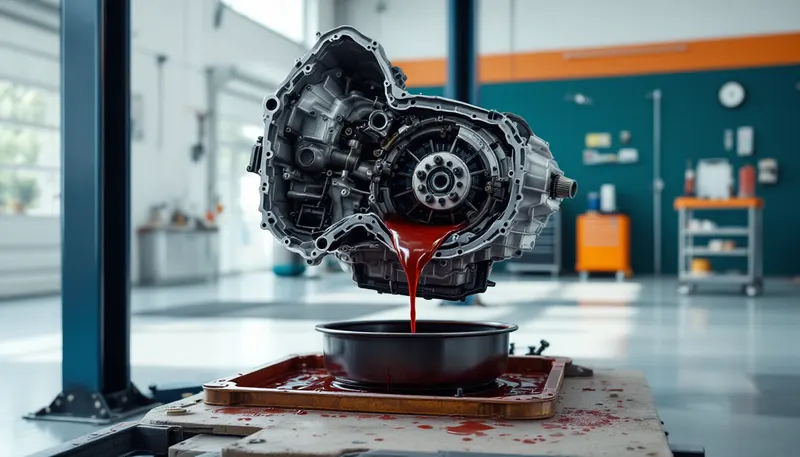
Fluid service to full replacement, diagnosed first
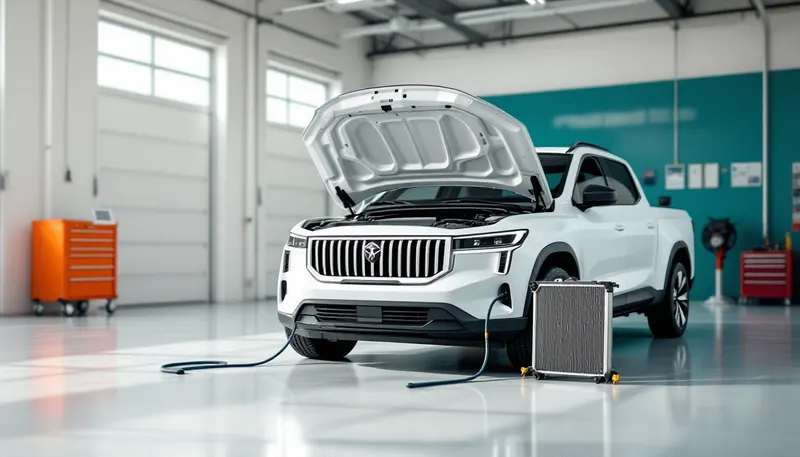
Overheating diagnosed, radiator, pump, thermostat
Bring your Toyota to a shop that publishes its prices
Toyotas last because they are maintained, not because they never break. The shop reads them with Techstream, services them to the Toyota schedule with the oils and fluids Toyota specifies, and publishes the ranges for the repairs they do eventually need.