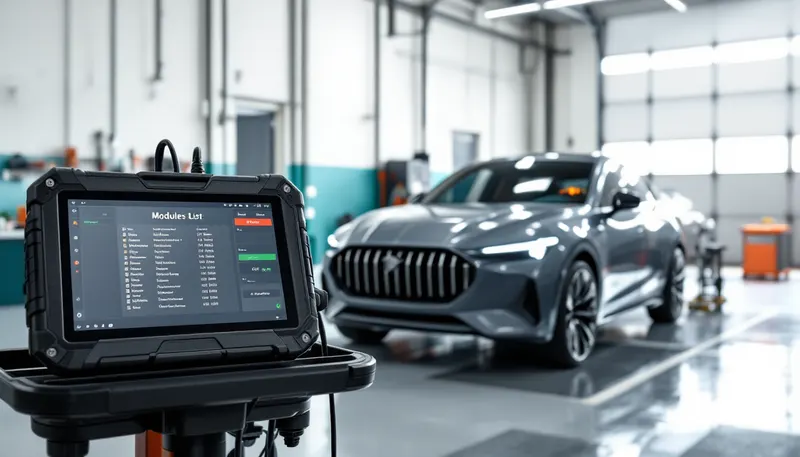
Check Engine Diagnostics
Factory-level scan, cause confirmed, written range
- Price range
- $99–$189
- Typical time
- 1–1.5 hours
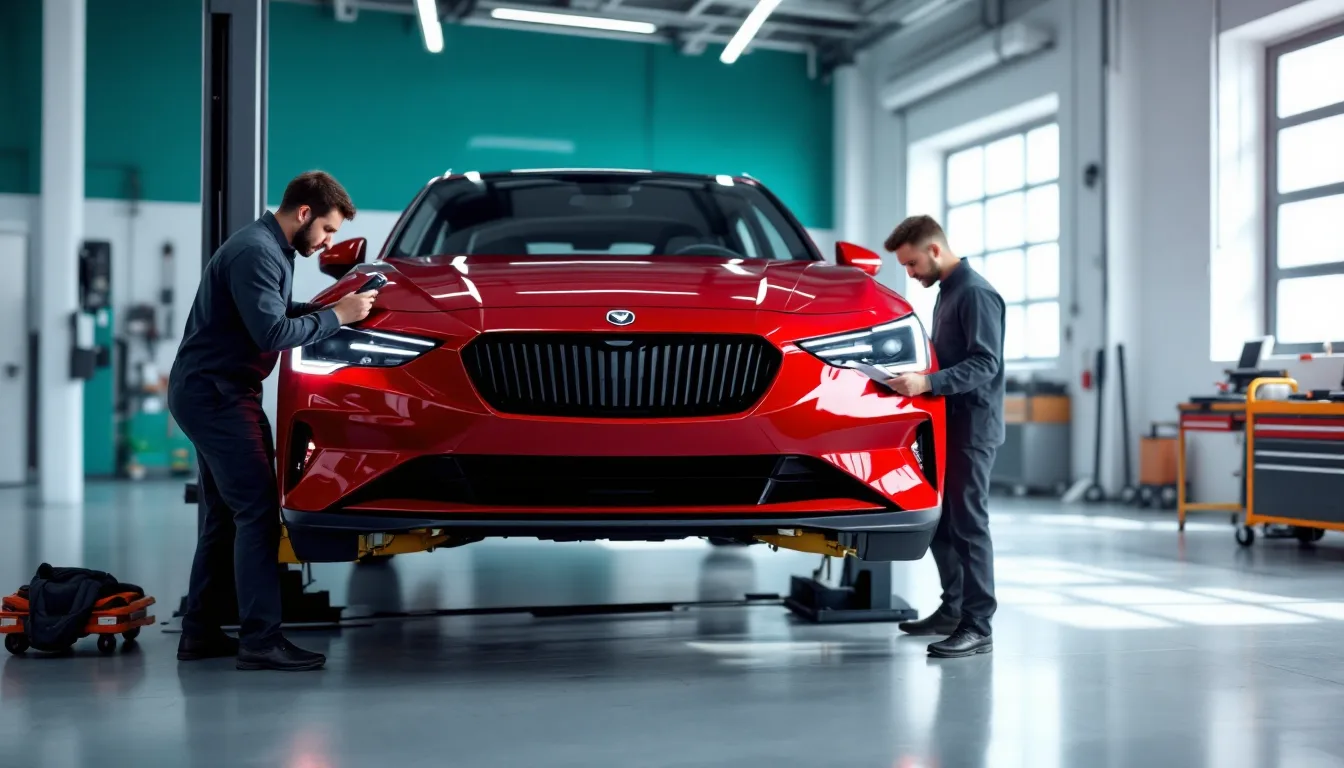
$129–$229 · 1.5–2 hours
Two hours and $129–$229 tell you what the listing does not: what the modules remember, what the lift shows, what the body hides, and what each finding will cost to fix.
All makes, published price ranges, every repair covered for 2-year/24,000-mile
Symptoms
Problem
Check engine light off, monitors not ready
Likely cause
Codes cleared shortly before the sale
The fix
History data read; the car is driven and rescanned, the fault usually returns
Problem
Transmission flares or shudders on the road test
Likely cause
Worn CVT or automatic, or neglected fluid
The fix
Reported with the range for a service and for a replacement so you can decide
Problem
Fresh undercoating or a steam-cleaned engine
Likely cause
Often hiding leaks
The fix
Lift inspection with a lamp; oil and coolant residue found where the coating stops
Problem
Silt in the seat tracks, a musty smell, rust on seat bolts
Likely cause
Flood car, common after North Texas storms
The fix
Reported as a flood suspect; title history checked
Problem
Paint texture differs between panels, bolts turned
Likely cause
Collision repair not on the history
The fix
Panels measured with a gauge, frame rails and mounts inspected
Problem
A/C cold at the viewing, weak on a hot road test
Likely cause
System low or a weak compressor
The fix
Pressures measured and reported with the A/C repair range
A seller's test drive is ten minutes on a road the seller chose. The inspection starts with the scan: every control module read for current, pending and history codes and for the readiness monitors. A car whose monitors are all incomplete had its codes cleared recently, and the history data in the engine and transmission modules usually shows what they were. The VIN is checked against the title and the NHTSA decoder so the car is what the paperwork says, and open recalls are listed.
Then a road test over mixed roads: cold start if possible, idle quality, acceleration, transmission behaviour on light and hard throttle, brakes from speed, steering on centre, noises over bumps, and the A/C on full on a hot afternoon. Then the lift, where the honest story lives: oil, coolant and transmission leaks and where they come from, suspension play, exhaust condition, tire wear and date codes, brake pad and rotor measurements, CV boots, frame rails and the underside of the floor.
Finally the body: paint depth across panels with a gauge, panel gaps, bolt heads that have been turned, overspray in door jambs, and the signs of flood and hail. Under the hood the battery and charging system are tested and the cooling system pressure-checked.
Flood cars. Spring storms and flash flooding put cars under water every year, and some of them are dried, cleaned and sold months later, sometimes with a title from another state. The signs are silt in the seat tracks and under the carpet, rust on the seat bolts and the seat belt anchors, a musty smell the air freshener cannot cover, corrosion on connectors low in the car and a water line in the trunk. The inspection looks for every one of them.
Hail cars. A hailstorm can total a car cosmetically while leaving it mechanically fine, and a hail car repaired well can be a bargain; a hail car repaired badly, or sold with a rebuilt title at a clean-title price, is not. The report says which.
Collision repair. Paint depth and bolt heads tell the story, and the lift shows whether the frame rails and the suspension mounts were pulled straight or left bent. Then the ordinary findings: a CVT that is on its way out, brakes near the limit, tires with plenty of tread that are six years old, an A/C that cools in the shade and not on the road, and oil leaks on a high-mileage engine that were cleaned for the listing.
On a high-mileage engine, a turbocharged engine, an engine with a known weak point, or any car where the price depends on the engine being healthy, the extended inspection at $249–$349 adds a compression test and a leak-down test on every cylinder. Compression shows whether the cylinders are even; leak-down shows where any loss is going, past the rings, the valves or a head gasket. Together they catch the engine that runs well on a test drive and burns a quart every 600 miles.
It is also the right choice for a truck that has towed, for a car that was imported from a colder state with a rust history, and for sports cars and performance models. For a four-year-old Corolla with service records, the standard inspection is enough.
On diesel pickups, the extended inspection includes the emissions system and the DEF system, which are the expensive failures on those trucks.
The report lists every finding with a photo, a severity (now, soon, watch) and the range from the shop's own price table for fixing it. With a private seller that is the negotiation: brakes at $249–$699 an axle, a CVT service at $189–$299, a battery at $179–$399 are concrete numbers to take off the asking price, and a flood suspect or a bent frame is a reason to walk away whatever the price.
With a dealer, federal rules require a Buyers Guide on the window that says whether the car is sold as is or with a warranty, and as is means exactly that. The report tells you what you would be buying and what you should ask the dealer to fix before you sign. If a dealer refuses to let the car be inspected off its lot, that is itself a finding.
The report is yours whether or not you buy the car, and it is written so the next shop can read it too.
The inspection is done at the shop, because the lift, the scan tools and the test equipment are here; the seller or the dealer brings the car in or allows you to drive it in. Most sellers agree when they are told it is a two-hour visit at a fixed price and that the car comes back the same day. The shop does not travel to the car.
Book with the year, make, model, mileage and the listing if there is one, so the known weak points for that engine and transmission are on the checklist before the car arrives. If the seller refuses an inspection, the shop can only say what that usually means.
Standard inspection with written report and photos $129–$229; extended inspection with compression and leak-down $249–$349. Inside the range the figure moves with the vehicle: a diesel or a European car takes longer to scan and to inspect underneath than a compact sedan, and a lifted truck or a modified car takes longer still.
The fee is for the inspection and the report, not for repairs, and no repair is done to the car without the owner's approval. Any repair you later book here for a car you bought is covered for 2 years parts and 2 years labor, up to 24,000 miles, nationwide.
No parts: the inspection is time and equipment. Repair ranges in the report come from the shop's published price table so a finding can be compared with any other quote.
The report carries photos of every finding and the measurements behind it (pad and rotor thickness, tread depth, paint depth, battery health, cooling system pressure), so the numbers can be checked by anyone.
What moves the price: vehicle type and size, diesel or European complexity, modifications, and whether the extended engine tests are added.
Pricing
| Service | Price range | Typical time |
|---|---|---|
| Pre-purchase inspection: scan, road test, lift and body inspection, written report with photos | $129–$229 | 1.5–2 hours |
| Extended inspection with compression and leak-down test on every cylinder | $249–$349 | 2.5–3 hours |
| Check engine diagnosis if the inspection finds a stored fault worth chasing | $99–$189 | |
| Transmission fluid service if the road test shows neglected fluid | $189–$349 |
Dallas independent-shop ranges; the figure for a specific car is confirmed when you book with the year, model and mileage, before the car is brought in.
The offer
Risk reversal
Covered for 2 years parts and 2 years labor, up to 24,000 miles, nationwide
No deposit, no card online: you approve the written range before any part is ordered
Published range
$129–$229
1.5–2 hours
Brands
All makes
Mazda and Subaru, Jeep, Ram, Dodge and Chrysler, GMC, Buick and Cadillac
Nissan
Altima and Maxima, Sentra and Versa, Rogue and Murano
Ford
F-150, Super Duty F-250 and F-350, Explorer and Expedition
Chevrolet
Silverado and Sierra, Tahoe, Suburban and Yukon, Equinox, Terrain and Traverse
Hyundai
Elantra and Accent, Sonata, Tucson and Santa Fe
Kia
Optima and K5, Forte and Rio, Soul
Questions
$129–$229 for the standard inspection, 1.5–2 hours, with a written report and photos the same day. The extended inspection with compression and leak-down tests is $249–$349 and takes 2.5–3 hours. Book before paying a deposit; most sellers will wait two hours.
No; the lift, scan tools and test equipment are at the shop, so the car comes here. Most private sellers and dealers will drive the car in or let you do it for a two-hour visit. A seller who refuses any inspection away from their location is telling you something.
The inspection looks specifically for it: silt in the seat tracks and under the carpet, rust on seat bolts and belt anchors, corroded connectors low in the car, a water line in the trunk, and a title history that passed through a state after a storm. No single sign is proof, but several together are, and the report says so plainly.
Clearing a code also resets the readiness monitors, and a car with every monitor incomplete was cleared recently. The history data in the modules often shows what the code was, and the road test and rescan usually bring it back. It is one of the first things the scan checks.
Yes. Diesel pickups get the emissions and DEF system checked, trucks get the frame, hitch and driveline looked at for towing wear, and European cars are scanned with the brand tool so their module history is readable. They sit at the top of the $129–$229 range because they take longer.
Usually, because the warranty does not cover collision repair, flood damage, a bent frame, tires or brakes, and because a certified pre-owned inspection was done by the seller. For a car with a long factory warranty and full records, the standard inspection is enough; the extended engine tests are for older and higher-mileage cars.
Related
Factory-level scan, cause confirmed, written range
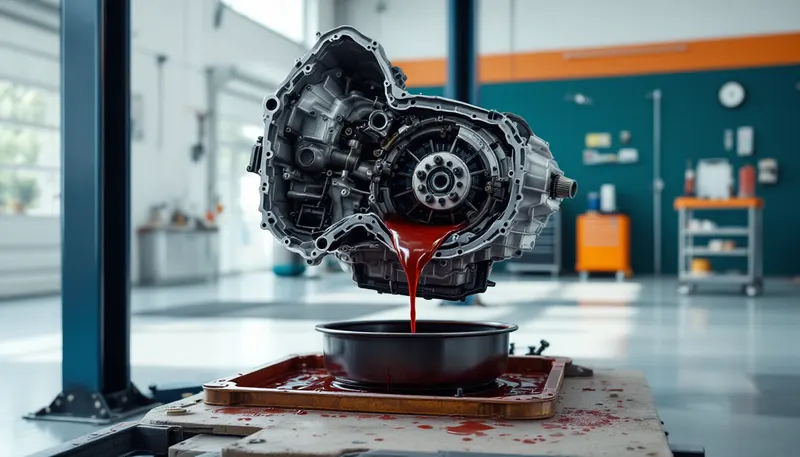
Fluid service to full replacement, diagnosed first
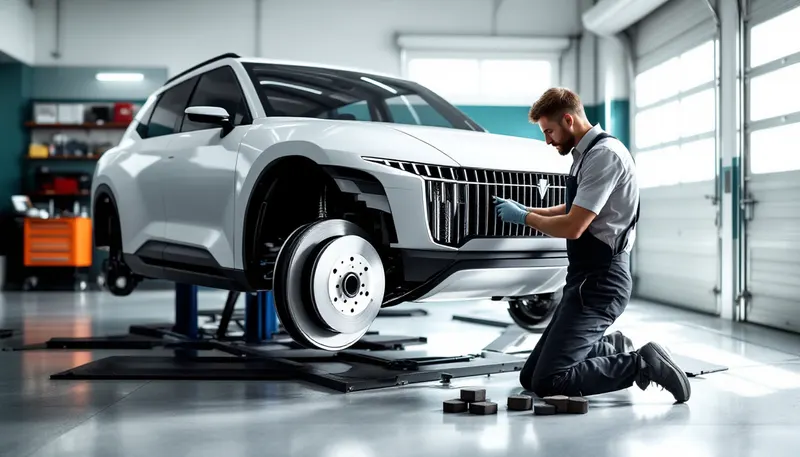
Pads, rotors, calipers, fluid; quoted per axle
Book Pre-Purchase Inspection in Dallas
Pre-purchase inspection in Dallas for any used car: every module scanned, a road test, a lift inspection for leaks, collision and flood signs, brakes and tires measured, and a written report with photos and the cost of what it finds.