Buying
Pre-Purchase Inspection Checklist for Dallas Used Cars
· 15 min read · Dallas Mechanic
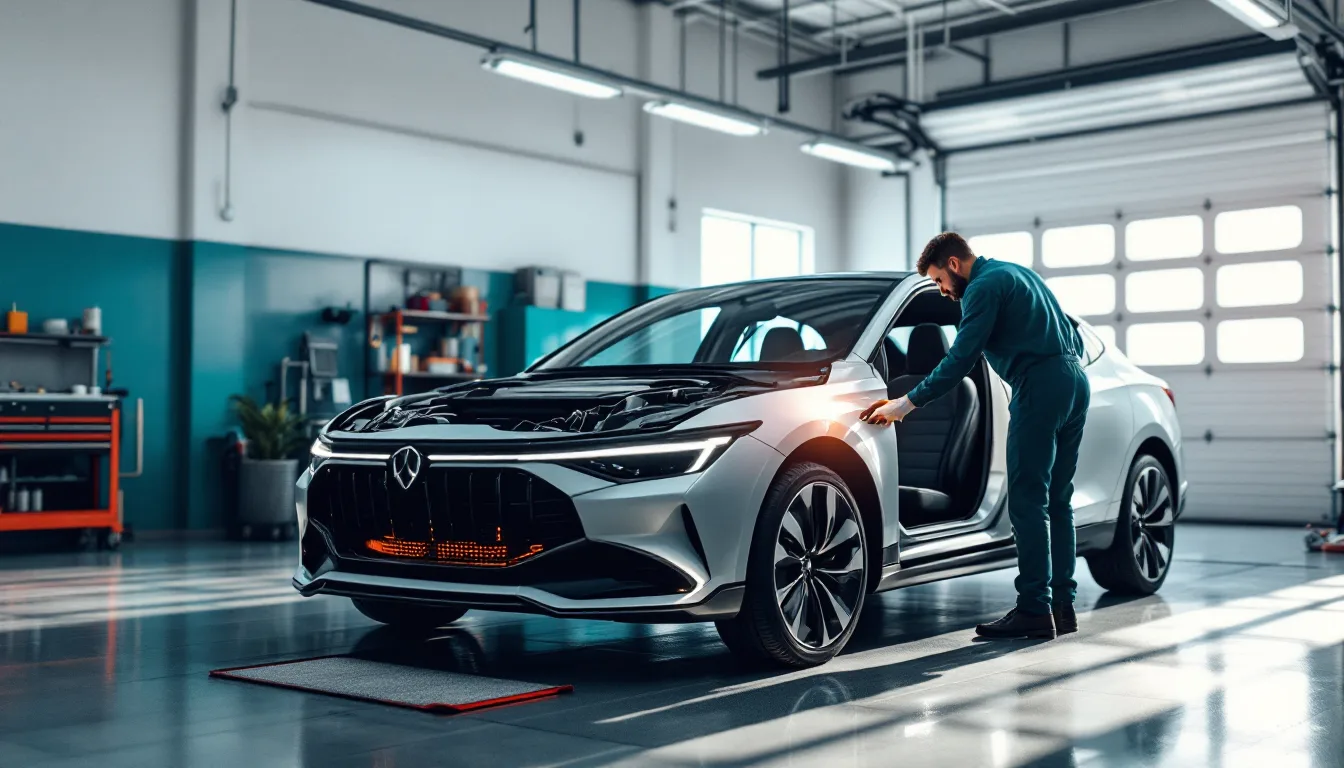
What does a pre-purchase inspection cost in Dallas and what do you get?
A pre-purchase inspection at an independent shop in Dallas runs $129–$229 and takes one and a half to two hours; the extended version with a compression and leak-down test, recommended for high-mileage and turbocharged engines, runs $249–$349 and takes two and a half to three hours. For that you get every control module scanned for stored and pending codes and readiness monitor status, a test drive, a lift inspection for leaks, collision repair and rust, measured brake and tire wear, fluid, battery and A/C performance readings, a VIN check against the title and the federal recall database, and a written report with photos and a price range for everything it finds. The report is yours to negotiate with or walk away with. If you are looking at a car this week, email service@dallasmechanic.net with the year, model, mileage and the seller's location, and the car can usually be fitted in within a day or two when the schedule allows.
Why is an inspection worth more than the price of the car suggests?
Federal figures from the Bureau of Transportation Statistics put the typical American car and light truck past its twelfth birthday, and the used cars changing hands in Dallas reflect that. A typical listing in Garland or Mesquite is a 2014 to 2019 model with 90,000 to 150,000 miles, which puts it squarely in the window where the first expensive items come due: struts, a timing chain tensioner, a CVT, a compressor, a set of rotors. The seller's asking price assumes none of those is imminent. The inspection tells you whether that assumption holds.
Numbers make the case. A $179 inspection that finds a leaking rear main seal, a CVT with a shudder and brakes at the wear limit on a $14,000 car has found $4,000 or more of near-term spending, and it has done so before the title is in your name. Even an inspection that finds nothing serious is useful, because it turns a nervous purchase into a documented one and gives you a maintenance baseline for the first year. A buyer who skips it is paying for the same information later, at the price of the repair.
There is also the simple matter of who the seller is. The Federal Trade Commission's guide to buying from a dealer is explicit that an independent mechanic's inspection before purchase is the buyer's best protection, and a seller who objects to an inspection, offers to have their own mechanic do it, or insists the car has to be bought today has already told you something.
What does the $129–$229 inspection actually include?
The inspection follows a written checklist so that nothing depends on memory, and the same list is used on every make, which is the advantage of an all-makes shop for this job. It runs in a fixed order.
The full-module scan and readiness monitors
The first step is a manufacturer-level scan that polls each control unit the car carries, not just the engine computer a parts-store reader talks to. Stored codes show what has failed, pending codes show what is about to, and the freeze frame records the conditions when each code set. The transmission, ABS, airbag, body and climate modules all keep their own fault memories, and a seller who cleared the engine computer before the showing rarely thinks to clear the others. Readiness monitors are the tell: if every monitor reads not ready on a car with a clean engine light, the codes were erased recently, and the car should be treated as if the light were on. In Dallas County that also means it would fail the OBD emissions test still required for registration, as the Texas DPS inspection page explains, even though the state ended the annual safety inspection on 1 January 2025. The scan takes about fifteen minutes and feeds directly into the check engine diagnostics findings on the report.
The test drive
The drive covers a cold start if the car arrives cold, idle quality, a stretch of stop-and-go, a highway merge and a few hard stops in a safe spot. The technician is listening for timing chain rattle at start-up, a CVT or automatic that flares or hunts, a wheel bearing hum that changes with steering input, brake pulsation, steering wander and suspension clunks over the kind of broken pavement that is never far away on an east Dallas side street. Anything heard on the drive gets a second look on the lift.
The lift inspection
With the car in the air the checklist covers oil, coolant, transmission and differential leaks and where each one originates; the condition of CV boots, tie rod ends, ball joints and bushings; exhaust leaks and catalytic converter condition; and the undercarriage itself. Collision repair leaves signs that are hard to hide from underneath: non-factory welds, replaced bolts with scuffed heads, overspray on suspension parts, a radiator support that is newer than the car, a frame rail or unibody section that has been pulled straight. Rust is less common on a Texas car than a northern one, which is exactly why heavy underbody rust on a car with a Texas title deserves a question about where it spent its earlier years.
Tires, brakes and fluids, measured rather than eyeballed
Tires are measured at three points across the tread with a depth gauge, the date code on the sidewall is read, and uneven wear is noted because it points to alignment or suspension problems. The National Highway Traffic Safety Administration's tire safety guidance treats 2/32 of an inch as worn out and recommends replacing tires regardless of tread once they reach an age the manufacturer specifies, commonly six to ten years, and a 2017 car on its original tires is on borrowed time. Brake pads are measured in millimeters and rotors are measured against the minimum thickness stamped on the hub. Engine oil, coolant, brake fluid, transmission fluid where there is a dipstick and power steering fluid are checked for level, color and contamination; coffee-colored coolant or milky oil ends the inspection early with a clear recommendation.
Battery, charging and A/C
The battery is load tested and its date code is recorded, the charging system is measured under load, and the A/C is run with a thermometer in the center vent and the pressures read at the service ports. In Dallas this is not a minor item; a car bought in October with a weak compressor becomes a $800–$1,600 problem the following May, and the seller knows which season they are selling in.
The VIN check
The VIN on the dash is compared to the VIN on the door jamb label and the title, because a mismatch means a car that is not what the paperwork says. The number is then run through the NHTSA VIN decoder to confirm the year, engine, trim and plant match the listing, and then checked against NHTSA's recall database for open recalls, which are repaired at no charge by any franchised dealer for that brand and should be completed before you rely on the car. An open airbag inflator recall is a reason to delay purchase until the dealer has the part.
When is the extended inspection with compression and leak-down worth it?
The standard inspection tells you how the engine runs; it does not measure how much of the engine is left. The extended inspection at $249–$349 adds a compression test on every cylinder and a leak-down test on any cylinder that reads low, which takes about an extra hour and answers a different question: are the rings, valves and head gasket sealing the way they did when the car was new.
Compression testing spins the engine with the spark plugs out and a gauge in each cylinder. The absolute numbers matter less than the spread; cylinders within ten percent of each other on a warm engine are healthy, and one cylinder far below the others is a problem regardless of what the average says. Leak-down then pressurizes the low cylinder at top dead center with shop air and reads how much escapes and where. Air hissing from the intake points at an intake valve, from the exhaust at an exhaust valve, from the oil filler at rings, and bubbles in the coolant reservoir at a head gasket.
The extended inspection earns its price on three kinds of cars. The first is anything turbocharged, including the small-displacement turbo engines in many recent Ford, Hyundai, Kia and Volkswagen models, where boost pressure multiplies the load on rings and valves and where a seller who skipped oil changes has shortened the engine's life in a way the test drive does not reveal. The second is any engine over about 120,000 miles, especially direct-injection engines prone to carbon buildup on intake valves. The third is any car whose owner cannot produce oil change records, because the single biggest predictor of engine condition on a used car is how often the oil was changed, and without records the test is the only way to know.
How do you spot a flood car or a hail car in North Texas?
North Texas produces two kinds of damaged cars in volume, and both end up for sale in Dallas. Hail cars are the honest version: a spring storm dents every panel, the insurer totals the car on cosmetic damage, and it comes back on the market with a salvage or rebuilt title and a mechanically sound drivetrain. Bought at the right discount with a clear disclosure, a hail car can be a reasonable purchase. Flood cars are the other kind. Water in the cabin and the engine bay corrodes connectors, control modules and seat belt pretensioners from the inside, and the failures show up for years after the car has been dried out, detailed and moved to a different state to clean the title history.
The title check comes first. The Texas Department of Motor Vehicles describes on its buying or selling a vehicle page how title brands such as salvage, rebuilt and flood damage follow the vehicle, how to request a title history, and the buyer's obligation to apply for title and registration within 30 days of the sale. A rebuilt title should be priced accordingly, and a seller who presents a clean Texas title on a car with evidence of water damage has either been fooled or is trying to fool you.
The physical check looks where water leaves marks and a detailer does not reach. The technician pulls the carpet back at the sill and checks the padding underneath for silt and a tide line, pulls the spare tire out and inspects the well, looks at the unpainted bolts under the seats and the seat tracks for fresh corrosion, checks inside the headlamps and taillamps for moisture, inspects the wiring harness connectors under the dash and in the engine bay for green corrosion on the pins, and reads the module scan for a cluster of communication codes that water tends to produce. Brake and fuel lines with rust far beyond the car's age and a new air freshener fighting a musty smell complete the picture. For storm history, the National Weather Service in Fort Worth keeps event records for the Dallas-Fort Worth area, and a car that was registered in a part of Houston, Beaumont or southeast Dallas County during a major flood event gets extra attention.
What is different about a private seller versus a dealer?
Buying from a dealer in Texas brings one federal protection that a private sale does not. Under the FTC's Used Car Rule, explained in the dealer's guide to the rule, any dealer who sells more than five used vehicles in a twelve-month period must display a Buyers Guide on each car, and the guide becomes part of the sales contract. The FTC's consumer page says the Buyers Guide must tell you "whether the vehicle is being sold as is or with a warranty" and what share of repair costs the dealer will pay under any warranty offered. Most used cars at independent lots in Dallas are marked as is, which means the dealer has no obligation once you drive off, and the Buyers Guide itself recommends that you ask for an independent inspection before buying.
A private seller owes you none of that. There is no Buyers Guide, no implied warranty, no dealer licensing and no recourse beyond a fraud claim if the seller lied. The Texas DMV page above notes that the seller should sign the title over and that the buyer is responsible for the transfer, and the CFPB's guidance on financing a vehicle is worth reading before financing a private purchase, since the loan is secured by a car no lender has inspected. A private sale is often the better price, and the inspection is the only diligence in it.
Either way, the mechanics of getting the car to the shop are simple. For a dealer car, ask the salesperson to let you take it for the inspection or to have a porter bring it; a dealer that refuses an off-site inspection by a shop you choose is one to walk away from. For a private seller, agree to meet at the shop at the appointment time and offer to drive together. Sellers who are confident in the car rarely object.
How do you use the report to negotiate?
The written report lists each finding with a photo, a severity and a price range from the shop's own published table, which is what turns it into a negotiating document rather than a list of complaints. Sort the findings into three groups before you talk to the seller.
Safety items are things that have to be fixed before the car is driven daily: brakes below the minimum, tires at the wear bars, a ball joint with play, an active airbag code. Ask the seller to repair these with receipts from a shop you trust, or deduct the full cost. Due-now items are services that are overdue by mileage or condition: a CVT fluid service at $189–$299, a coolant exchange, a battery past its date. Deduct the cost or split it. Coming-soon items are wear that is visible but not yet due, like rotors at the midpoint of their life or a slow oil seep; these set your maintenance budget for the first year rather than the price today.
Dealers expect the conversation and usually have room on cars that have sat. Private sellers respond better to a copy of the report and a specific number than to a vague request for a discount. In either case, a seller who refuses to move on documented safety findings has told you what the car is really worth, and the $129–$229 you spent on the inspection is the cheapest exit you will ever buy. The inspection fee is not refunded if you walk away, and you should expect to pay it two or three times across a search; buyers who inspect three cars and buy the third one spend less than buyers who inspect none and buy the first.
What does a Dallas inspection catch most often?
Every region has its signature findings, and the list on a Dallas report is shaped by heat, distance and the mix of cars on the road here.
Air conditioning leads. A compressor that cycles too often, a condenser with stone damage or a system that is simply low after a decade of summers is on a large share of reports, and because the fix ranges from a $149–$249 recharge to a $800–$1,600 compressor, it is the finding most likely to change the price. CVT condition is second on the Nissan, Honda, Subaru and some Toyota models that use one. The test drive and the transmission module's fluid temperature history and fault memory reveal shudder, flare and overheating events, and a CVT fluid service at $189–$299 is the minimum ask on any CVT car over 60,000 miles without a record of one.
Brakes come third, measured rather than guessed, because a car sold with pads at 3 millimeters and rotors at minimum is a $249–$699 per-axle expense inside the first month. Oil leaks on high-mileage engines are fourth: valve cover gaskets, timing cover seals, oil pan gaskets and rear main seals, which range from an afternoon's work to a transmission-out job, and the report says which. Fifth is timing chain noise on certain engines, where a rattle on cold start that goes quiet in a few seconds is the early sign of a stretched chain or a failing tensioner, a repair that can run into the thousands and that a seller can hide by warming the car up before you arrive. That is why the inspection asks for the car cold.
Under all of it sits the labor cost of the repairs the report prices. Automotive technicians earned a median of $23.88 hourly in 2024 by the Bureau of Labor Statistics' count, and shop labor rates that cover tools, diagnostics subscriptions and insurance sit well above that, which is why a finding that sounds minor on the report can still be a four-figure line once it is on an estimate.
What moves the inspection price and what is in the written report?
The ranges on the pre-purchase inspection page are below, along with what pushes a particular car toward the top or bottom of each range. Dealer quotes for an equivalent inspection are commonly higher.
| Inspection | Typical Dallas range | Time on the lift | What moves the price |
|---|---|---|---|
| Pre-purchase inspection with written report and photos | $129–$229 | 1.5–2 hours | Number of modules on the car, whether the seller delivers it cold, luxury or hybrid platforms with extra systems to check, a second test drive to confirm an intermittent noise |
| Extended inspection with compression and leak-down test | $249–$349 | 2.5–3 hours | Cylinder count and spark plug access, turbocharged or direct-injection engines, engines that need intake components removed to reach the plugs |
The written report is delivered the same day as a PDF with photos of every finding, the full module scan with codes and readiness status, measured tire depths and brake thicknesses, fluid conditions, battery and charging numbers, A/C vent temperature and pressures, the VIN decoder and recall results, and a price range next to each item that needs attention, drawn from the same published table used for every repair at the shop. It also records what was not found, which matters: a report that says the frame rails, floor pans and airbag module were checked and clean is the document you want if a question comes up after the sale.
For buyers in Garland, Mesquite, Rowlett and the rest of east Dallas, a used car listed in Garland or across the county line is typically within a short drive of the shop, which makes the appointment easy to fit into the seller's schedule. If you have a listing in hand, email service@dallasmechanic.net with the link or the VIN, and the inspection slot and the written report are arranged around the seller's availability. Repairs the shop performs afterward, whether negotiated into the deal or booked once the car is yours, are covered by 2-year/24,000-mile.
Where do these figures come from?
- BTS: how old the average U.S. car and truck in operation is
- Federal Trade Commission: buying a used car from a dealer
- Federal Trade Commission: dealer's guide to the Used Car Rule
- Texas Department of Public Safety: vehicle inspection program
- NHTSA: tire safety
- NHTSA: VIN decoder
- NHTSA: recalls lookup
- Texas Department of Motor Vehicles: buying or selling a vehicle
- NWS Fort Worth: North Texas weather and storm event records
- Consumer Financial Protection Bureau: auto loans
- BLS Occupational Outlook Handbook: auto technicians and mechanics, median pay