Diagnostics
Check Engine Diagnostic Cost in Dallas: What You Get
· 17 min read · Dallas Mechanic
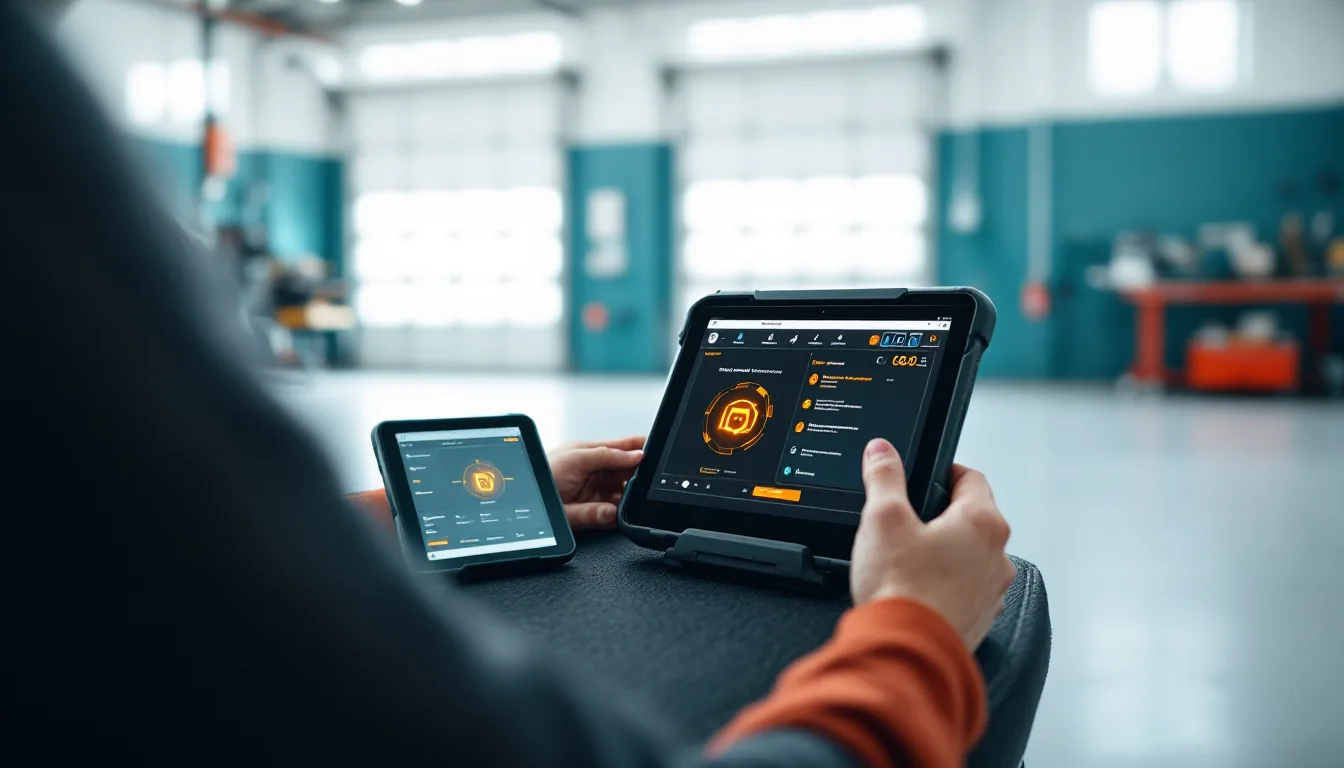
What does a check engine diagnostic cost in Dallas, and what do you get for it?
A check engine diagnostic at Dallas Mechanic runs $99–$189 and takes one to one and a half hours. For that you get a factory-level scan of every control module on the car rather than just the engine computer, the freeze frame and live data the module recorded when it set the code, the guided tests that tell a failed sensor apart from a sensor reporting a real problem, and a written finding with a repair range that you approve before any part is ordered. Cars with an intermittent electrical fault that needs wiring checks, pin-drag testing or an oscilloscope move to extended diagnosis at $189–$379. A parts-store code read is quick and tells you the code number; what it cannot tell you is the cause, and the gap between those two things is what this post is about. If your light is on, email service@dallasmechanic.net with the year, model and mileage and we will tell you whether it needs a bay today or can wait a few days.
Why is a trouble code not a diagnosis?
Every gasoline car and light truck sold in the United States from the 1996 model year carries a second-generation on-board diagnostic system, OBD-II, which the EPA describes as a set of monitors that watch the emissions-related systems and turn on the malfunction indicator lamp when one of them fails its test. The code the system stores is the name of the test that failed, not the name of the part that caused the failure. That distinction is the whole reason a diagnosis is a separate piece of work.
A P-code tells you which circuit or which measurement went out of range. It does not rank the causes, and on most engines the same code can be produced by four or five different faults that cost very different amounts to fix. The parts-store counter reads the code, looks up the description, and points at the part named in it. Sometimes that is right. Often enough it is wrong, and the owner has paid for an oxygen sensor or a catalytic converter the car never needed, while the light comes back within a week. Four of the most common codes we see in Dallas show how wide the spread can be.
P0420: catalyst efficiency below threshold
P0420 means the downstream oxygen sensor on bank 1 is seeing exhaust that looks too much like the exhaust ahead of the converter, so the engine computer concludes the converter is not storing oxygen the way a healthy one does. The description says catalyst, and a replacement converter is one of the more expensive single parts on a car. The actual cause can be a converter that has worn out, a converter poisoned by coolant or oil from a separate leak that still needs fixing, an exhaust leak ahead of the downstream sensor letting in outside air, a lazy upstream sensor skewing the comparison, or a misfire or rich condition that overheated the converter. Replacing the converter without finding why it failed is how people end up buying a second one.
P0171: system too lean, bank 1
P0171 means the engine computer has been adding fuel beyond its normal range to keep the mixture correct and has run out of adjustment. A lean code is rarely a fuel-injector problem on its own. Unmetered air through a cracked intake boot, a split PCV hose, a leaking intake manifold gasket or a brake booster hose is the usual cause; a dirty mass airflow sensor under-reporting airflow is the next; a weak fuel pump or clogged filter that cannot hold pressure at load is a third; and a stuck purge valve pulling vapor at the wrong time is a fourth. Each of those needs a different test and a different part, and the fuel trim numbers in live data are what point to the right one.
P0300: random or multiple cylinder misfire
P0300 says the crankshaft is slowing more than it should across several cylinders, and the engine computer cannot pin it on one. Ignition coils and spark plugs are the first guess, and they are sometimes the answer, but a random misfire can also be a vacuum leak lean enough to stumble at idle, low fuel pressure, a clogged injector, carbon on the intake valves of a direct-injection engine, a timing chain that has stretched, low compression on one or more cylinders, or an EGR valve stuck open. With a flashing light, continuing to drive can overheat the converter, which turns a coil-sized repair into a converter-sized one.
P0455: EVAP large leak detected
P0455 is the evaporative emissions system reporting that it could not hold vacuum or pressure during its self-test, which it reads as a large leak. The best-known cause is a gas cap left loose after a fill-up, and that is genuinely the first thing to check. Beyond the cap the list includes a cracked filler neck, a split hose behind the engine, a purge or vent valve that has stuck open, a cracked charcoal canister, or a rusted tank seam. A smoke machine finds the leak in minutes; guessing at it with parts does not.
What does a factory-level diagnosis include that a code read does not?
The diagnosis starts the same way, by reading codes, but it reads them from every module rather than the engine controller alone. A modern car carries anywhere from a dozen to several dozen control units: engine, transmission, anti-lock brakes, body control, airbag, climate, steering, instrument cluster and more, and many of them talk to each other over shared networks. A transmission or ABS fault can switch on the check engine light, and a network problem can set codes in half the modules at once. The scan report lists every module, every stored and pending code in it, and how many times and under what conditions each code set.
Then comes freeze frame data, the snapshot of engine speed, load, coolant temperature, vehicle speed and fuel trims the module captured when the code stored. That tells the technician whether a misfire happened at idle in a parking lot or at highway speed under load, which rules out half the list before anything is touched.
Live data is the third layer, and it is covered in the next section because it is where most of the hour goes. Guided tests follow: commanding a purge valve shut while watching fuel trims, running a cylinder balance test, actuating the EGR valve, watching an oxygen sensor respond to a snap of the throttle. Bidirectional control is what separates a professional tool from a code reader, because the technician can make the car do something and measure the result instead of waiting for the fault to show itself.
The last step is a technical bulletin and recall check. Manufacturers publish service bulletins for known patterns, and a code that matches one can save an hour of testing. Safety recalls are repaired by the dealer at no cost to the owner, so part of an honest diagnosis is telling you when the fix is not ours to sell; you can check any VIN yourself on the NHTSA recall lookup. The visit ends with a written finding that names the cause, the evidence for it, and a repair range.
How do live data and guided tests find the actual cause?
Live data means watching the sensor values the engine computer is using, in real time, while the engine runs and while the technician changes conditions. On a P0171 the technician watches short-term and long-term fuel trim at idle and then at 2,500 rpm. If the lean condition is large at idle and shrinks under load, unmetered air is the likely cause, because a vacuum leak is a larger share of total airflow at idle. If the lean condition grows with load, the engine is starving for fuel or the airflow sensor is under-reading, and the next test is fuel pressure under load and a mass airflow reading against a known-good figure for that engine.
On a P0420 the technician graphs the upstream and downstream oxygen sensors together. A healthy converter produces a downstream trace that barely moves while the upstream one swings. If the downstream sensor is mirroring the upstream, the converter really is tired, but before condemning it the technician checks for exhaust leaks, confirms the upstream sensor is switching fast enough, and looks for the reason the converter failed in the first place. A converter that died because of a coolant leak will die again if the leak is still there.
On a P0300 the cylinder balance test shuts each injector or coil off in turn and records how much engine speed drops. A cylinder that barely changes the idle when cut is not doing its share, and the next step is to look at that cylinder's coil, plug, injector and compression rather than replacing all the coils at once. If every cylinder contributes equally and the misfire only appears cold, carbon on direct-injection intake valves or a cold-start timing issue moves up the list.
The guided test on an EVAP code is a smoke machine. The system is filled with low-pressure smoke and the technician looks for where it escapes. On a car that passes the smoke test, the fault is usually a valve that sticks only when hot, which is where logged data over a drive comes in. Equipment and time cost money, which is why the diagnosis carries its own line. The Bureau of Labor Statistics, which describes the trade as people who "inspect, maintain, and repair cars and light trucks", reported a median wage for technicians of about $23.88 per hour in 2024. An hour of diagnostic labor buys an hour of a trained person's attention plus the tools in front of them.
Why does an all-makes shop need brand factory tools instead of one scanner?
Generic OBD-II is a floor, not a ceiling. The standard guarantees that any tool can read the emissions-related powertrain codes, a freeze frame, readiness monitor status and a short list of live values. Everything beyond that layer, including body and chassis modules, manufacturer-specific codes, most bidirectional tests, adaptation resets and module programming, is up to the manufacturer, and each one does it differently.
Toyota uses Techstream, Honda uses its HDS and i-HDS software, Nissan uses CONSULT, Ford uses FDRS, General Motors uses GDS2 and its Techline tools, Hyundai and Kia use GDS, and Volkswagen uses ODIS. Each talks to the car through a pass-through interface built to the SAE J2534 standard, which exists so that independent shops can run manufacturer software without buying the dealer's proprietary hardware. A good aftermarket professional scanner covers a large share of those functions across brands, and for day-to-day diagnosis it is often enough. What it misses are the newest models, the deeper tests, and the programming routines that only the factory software performs.
An all-makes shop in Dallas sees a different brand in every bay, so the practical approach is both: a professional aftermarket platform for the shared layer, and manufacturer-level software for the brands we serve when the fault goes beyond it. That is how we approach every make we work on. A Toyota hybrid with a battery-system code, a Honda with a VTC actuator fault, a Nissan CVT reporting a fluid-degradation count and a Ford with a module needing configuration after replacement are four different conversations, and the tool has to speak each language. The check engine diagnostics page lists the brands and the ranges.
What is limp mode, and should you keep driving in it?
Limp mode, which some manufacturers call reduced power or fail-safe mode, is the engine or transmission computer protecting itself. When it sees a fault it cannot work around safely, it limits throttle, caps engine speed, locks the transmission into one gear or disables a turbocharger, and lights the dash. The car still moves, which is the point, but it is not meant to be driven that way for long.
Common triggers are a throttle body or accelerator pedal sensor disagreement, a boost pressure fault on a turbocharged engine, transmission fluid temperature or pressure out of range, a misfire severe enough to threaten the converter, or an electrical fault on a critical sensor. Some cars will reset after a key cycle and drive normally until the fault returns; others stay limited until the code is cleared with a tool. A reset that clears the light does not clear the problem, and a car that drops into limp mode on the LBJ Freeway in August is a safety issue before it is a mechanical one.
If the car goes into limp mode, pull off, let it sit for a minute, and restart. If it drives normally, head straight to a shop rather than carrying on with the trip. If it stays limited, drive it slowly to the shop or have it towed, depending on the distance and the traffic. Transmission-related limp mode is worth a tow if the fluid smells burnt, because driving on an overheated clutch pack turns a transmission service into a rebuild. Bring the car in without clearing codes, because the freeze frame from the first event is the best evidence we will get.
Will a check engine light fail the Dallas-area emissions test?
Yes, and this is the part Dallas drivers most often get wrong now. Texas ended the annual vehicle safety inspection on January 1, 2025, as the Texas Department of Public Safety explains, but the emissions inspection did not go away in the counties that need it for federal air-quality compliance. The Texas Commission on Environmental Quality runs the vehicle inspection and maintenance program in those counties, and the Dallas-Fort Worth area is the largest of them: Dallas, Collin, Denton, Tarrant, Ellis, Johnson, Kaufman, Parker and Rockwall counties all require an emissions test before registration renewal. A car registered in Garland, Mesquite, Irving, Richardson, Plano or Arlington is in the program.
For gasoline vehicles from the 1996 model year on, the emissions test in these counties is an OBD test. The inspector plugs into the diagnostic port and checks three things: whether the malfunction indicator lamp is commanded on, whether any emissions-related codes are stored, and whether the readiness monitors have completed. A commanded-on light is a fail. Incomplete readiness monitors beyond the allowed number are also a fail, even with no codes present.
Readiness monitors are the self-tests the OBD system runs in the background: catalyst, oxygen sensor, oxygen sensor heater, evaporative system, EGR and a few others. Each one runs only when its conditions are met, which can mean a cold start, a steady cruise, a specific fuel level, or a stretch of idling. Clearing codes, or disconnecting the battery, resets every monitor to not ready. The common pre-test mistake is clearing the code on the way to the station and failing for incomplete monitors instead of a lit light. The drive cycle that completes them varies by manufacturer and can take anywhere from a single mixed drive to several days of normal use; the EVAP monitor is the slowest because it needs a cold engine and a fuel level in a narrow band.
That is why the emissions readiness check and drive cycle after a repair is its own line at $49–$99. After the cause is fixed and the codes are cleared, the car is driven through the pattern that lets the monitors run, then re-scanned to confirm they report complete before you go for the test. For a car that has already failed, bring the inspection report with you, because the readiness detail on it tells us where to start.
What moves the price of a check engine diagnosis?
| Line item | Range | Time | What moves the price |
|---|---|---|---|
| Check engine diagnostics (factory-level scan of every module, live data, written findings with a range) | $99–$189 | 1–1.5 hours | Codes already cleared, hybrid or turbo direct-injection engines, faults that appear only cold, multiple modules involved |
| Extended electrical or intermittent-fault diagnosis (wiring, pin-drag, oscilloscope) | $189–$379 | 2–4 hours | Harness length to trace, number of connectors to pin-drag, need for a logged test drive or overnight data capture |
| Emissions readiness check and drive cycle after a repair | $49–$99 | under 1 hour | Make-specific drive cycle length, EVAP monitor conditions, whether the car needs a second cold start |
A few patterns push toward the top of the first range. A code that has already been cleared once or twice erases the freeze frame and the history, so the technician starts without the best evidence. A car that arrives with aftermarket parts installed in response to the code needs those checked too, because a wrong-grade sensor can set its own fault. A code on a hybrid or on a car with a turbocharger and direct injection involves more systems and more data. A fault that only appears cold means waiting for the engine to cool, which is time on the clock. A network code with multiple modules involved needs a wiring diagram and a plan before any probing starts.
The average vehicle on American roads is now more than 12 years old, according to the Bureau of Transportation Statistics, and age moves the price in its own way: more brittle connectors, more corroded grounds, and more previous repairs by previous owners to untangle. A fault that turns out to be a corroded ground or a chafed harness is a fix the diagnosis has already paid for, and the written range reflects that.
When does extended diagnosis at $189–$379 apply?
Extended diagnosis is for faults that do not announce themselves. The first hour and a half of a standard diagnosis finds the cause on most cars because the fault is present and the data points at it. Some cars are not like that. The code is intermittent, the data is normal when the car is in the bay, or the fault is in a wire rather than a part. Those cars go to a second line at $189–$379 for two to four hours, and that is agreed with you before the work continues, never added afterward.
What happens in that time is different in kind. The technician loads a wiring diagram for the circuit and tests voltage drop across each connection under load, because a connection that reads fine with a meter at rest can fall apart when current flows. Pin-drag testing checks each terminal in a connector for the spring tension that keeps it in contact, since a loose terminal is one of the most common causes of a fault that comes and goes with heat or vibration. An oscilloscope shows a crankshaft or camshaft sensor signal as a waveform rather than a number, which is how a sensor that drops out for a few milliseconds every few minutes gets caught. A data logger goes out on a test drive, or home with the owner for a day, to capture the moment the fault happens.
A few examples. A Chevrolet that sets a random misfire only on cold, damp mornings and runs fine by the time it reaches the bay. A Nissan whose dash lights flicker and whose transmission hesitates, with codes in six modules, pointing at a chafed harness rather than six failed parts. A Ford with a crank-no-start that happens once a week. A Hyundai with an intermittent P0455 whose purge valve only sticks when hot. Each of those is an electrical or intermittent case, which is also the kind of fault our battery and electrical page covers at the system level. The point of a second, separately approved line is that you decide whether the fault is worth the hunt, with a clear picture of what the hunt will cost.
How does the written range work once the cause is found?
The diagnosis ends in writing, not in a phone call with a single number. The finding names the fault, lists the evidence for it, and gives a repair range with the part, the labor time, and the things that could move it within the range: a seized bolt, a second part found damaged on disassembly, a fluid that has to be replaced because the repair opens the system. You approve that range before any part is ordered. If something turns up during the repair that would push the total past the top of the range, the work stops and you get a call.
Two things follow from that. First, the diagnosis is priced as its own line because it is its own piece of work, and the result belongs to you. If you take the written finding somewhere else, the finding is still complete and the codes, live data and test results are on it. Second, the repair that follows is covered by 2 years parts and 2 years labor, up to 24,000 miles, nationwide, and the diagnostic record is the first thing we reach for if a question arises later. The Federal Trade Commission also makes clear that having an independent shop diagnose and repair a car still under factory warranty does not void that warranty so long as the work is done correctly, and the written record is how you show that it was.
A light that stays on has a fuel cost while you wait, too. The Department of Energy's fueleconomy.gov notes that fixing a serious maintenance problem such as a faulty oxygen sensor can improve mileage by as much as 40 percent, which over a Dallas commute adds up quickly. The sooner the cause is found, the less the delay costs. If you are near us in east Dallas, in Garland or Mesquite, bring the car in with the light on and the codes uncleared, and we will tell you what is wrong, what it costs, and what it does not need.
Where do these figures come from?
- EPA on OBD systems: Vehicle Emissions On-Board Diagnostics
- Texas DPS on the 2025 inspection change: Vehicle Inspection
- TCEQ on the emissions counties: Vehicle Inspection and Maintenance Program
- BLS on technician wages: Automotive Service Technicians and Mechanics
- BTS on fleet age: Average vehicle age in the United States
- NHTSA recall search by VIN: Recalls
- FTC on independent repair and warranties: Auto Warranties and Routine Maintenance
- Department of Energy on maintenance and mileage: Keeping Your Vehicle in Shape